Positioning the Sidekick:Brand Strategy, Identity & Website for a Mid-Market CRM Consultancy
CompanycoResoluteDuration6 months (May - November, 2025)RoleProject manager, brand strategist, design lead, and principal web developer

Company Background
coResolute is a US-based consulting firm with offshore development capabilities in India. Founded by Jason Linkswiler (former Fortune 100 operator) and Charudatta Thute (15-year CRM veteran), they help companies fix troubled CRM implementations and build revenue operations systems that actually work.
The challenge: Despite strong technical capabilities and impressive client work, coResolute lacked a clear market position and professional digital presence that matched the caliber of their work.
How We Defined Success
Differentiate
Help coResolute stand out in a crowded consulting market, one in particular that had a lot of whitespace for an approach that owns the idea of partnership.
Articulate
Lean into the hybrid onshore/offshore structure as a strength. Educate buyers about the range of options in the industry.
Attract
Pull in mid-market clients with complex CRM & GTM needs, and help potential clients understand where coResolute would and wouldn’t be a good fit.
3 Reasons the Current Branding Created a Drag on Sales
Jason came to me needing a professional website. But conversations with him and his clients revealed three deeper problems:
No clear position.
coResolute was stuck in the middle—too sophisticated to compete on price with offshore-only shops, not expensive enough to signal “premium” like Big 5 firms. Their hybrid model was their advantage, but they were explaining it away instead of leading with it.
Offshore felt like a liability.
Despite quality work and the redundancy benefits of a distributed team, the India-based developers seemed like something to apologize for rather than a strategic strength. Client interviews told a different story: “It was comforting that Jason was in Austin… super helpful to sit across from him.” The model worked because of the onshore/offshore balance.
Stuck in transactional mode.
Their best relationships were partnerships—clients valued Jason’s strategic pushback and ability to see beyond the immediate ask. But without clear positioning, they kept getting pulled into price-driven vendor conversations.
Examples of coResolute's Branding
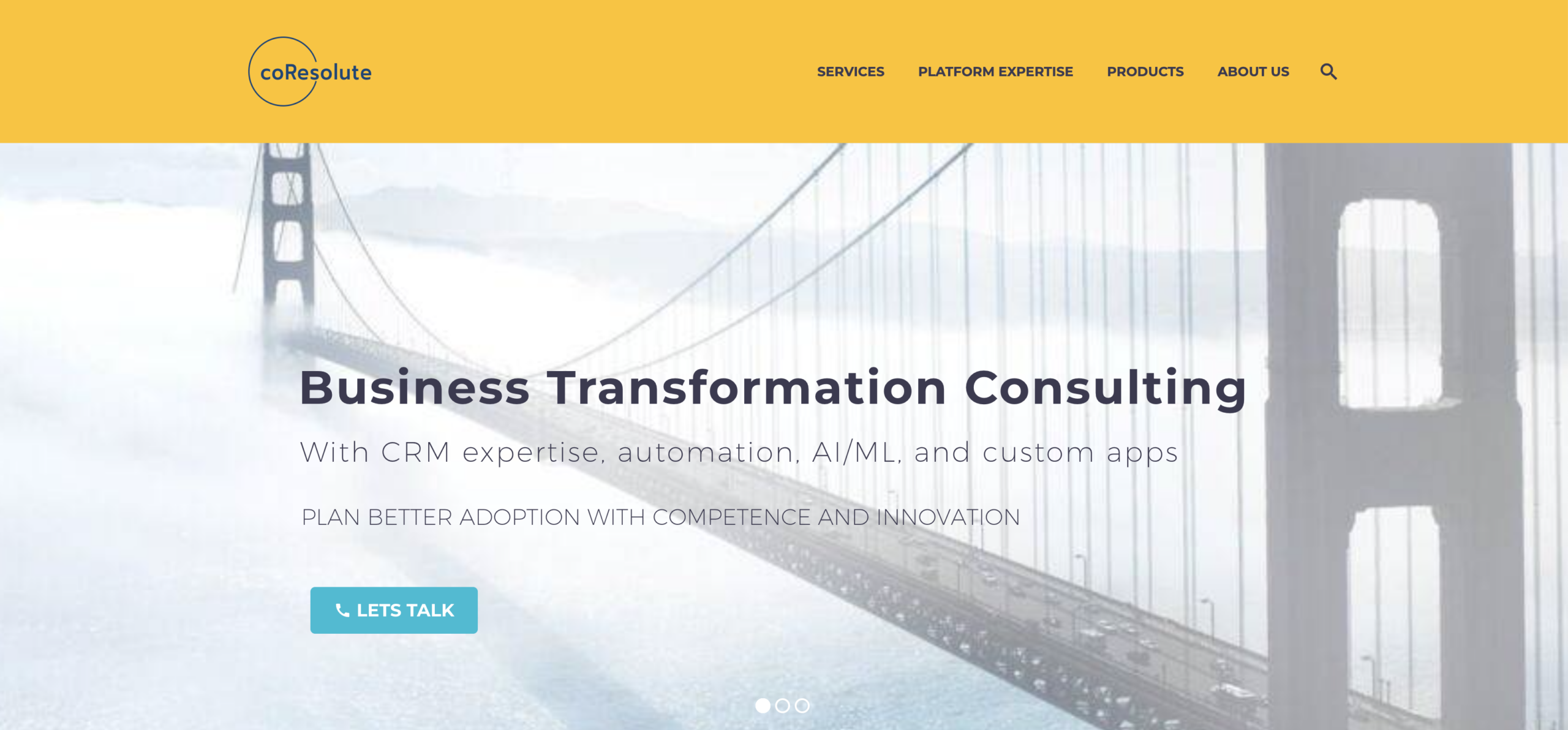
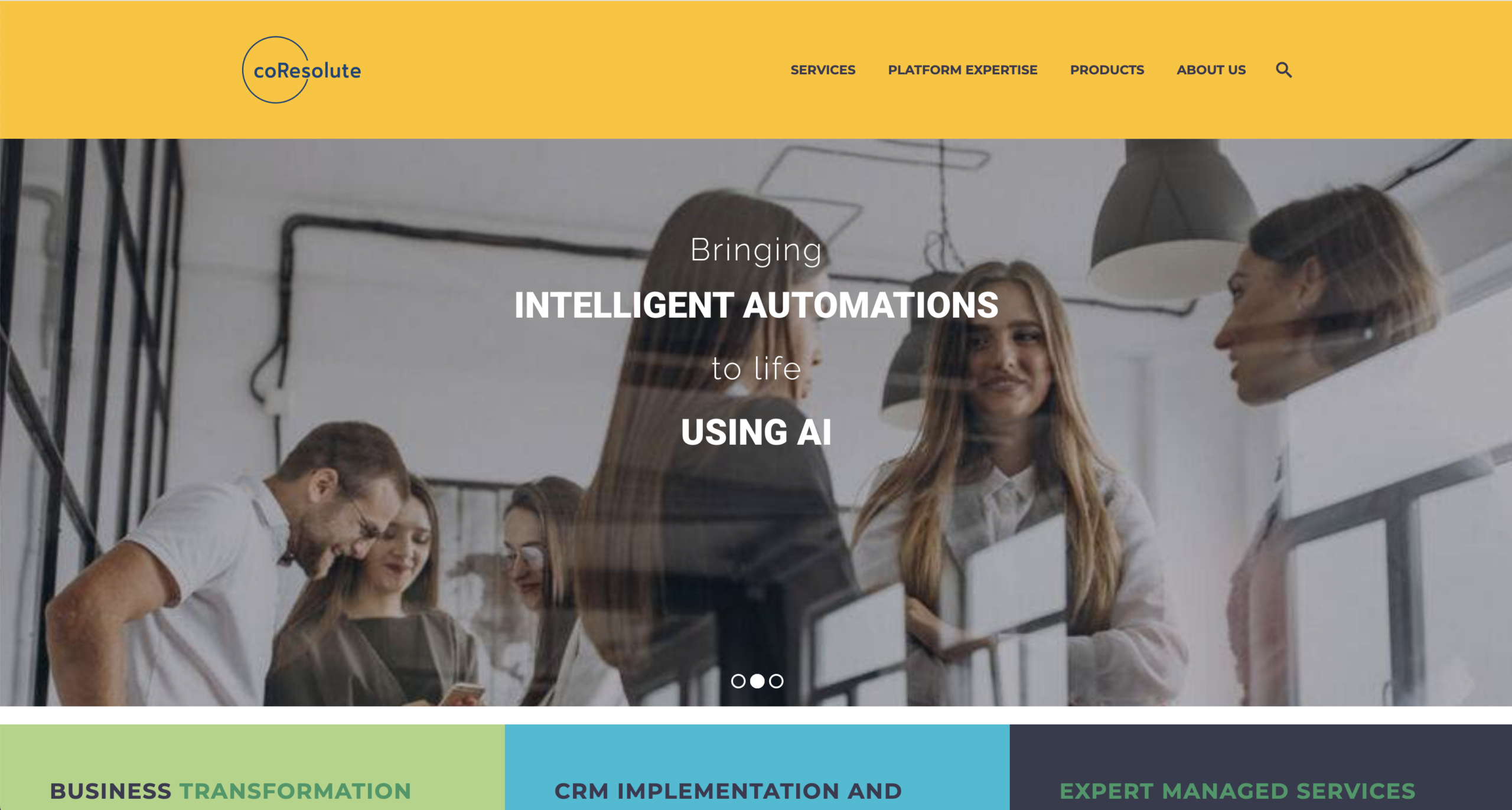




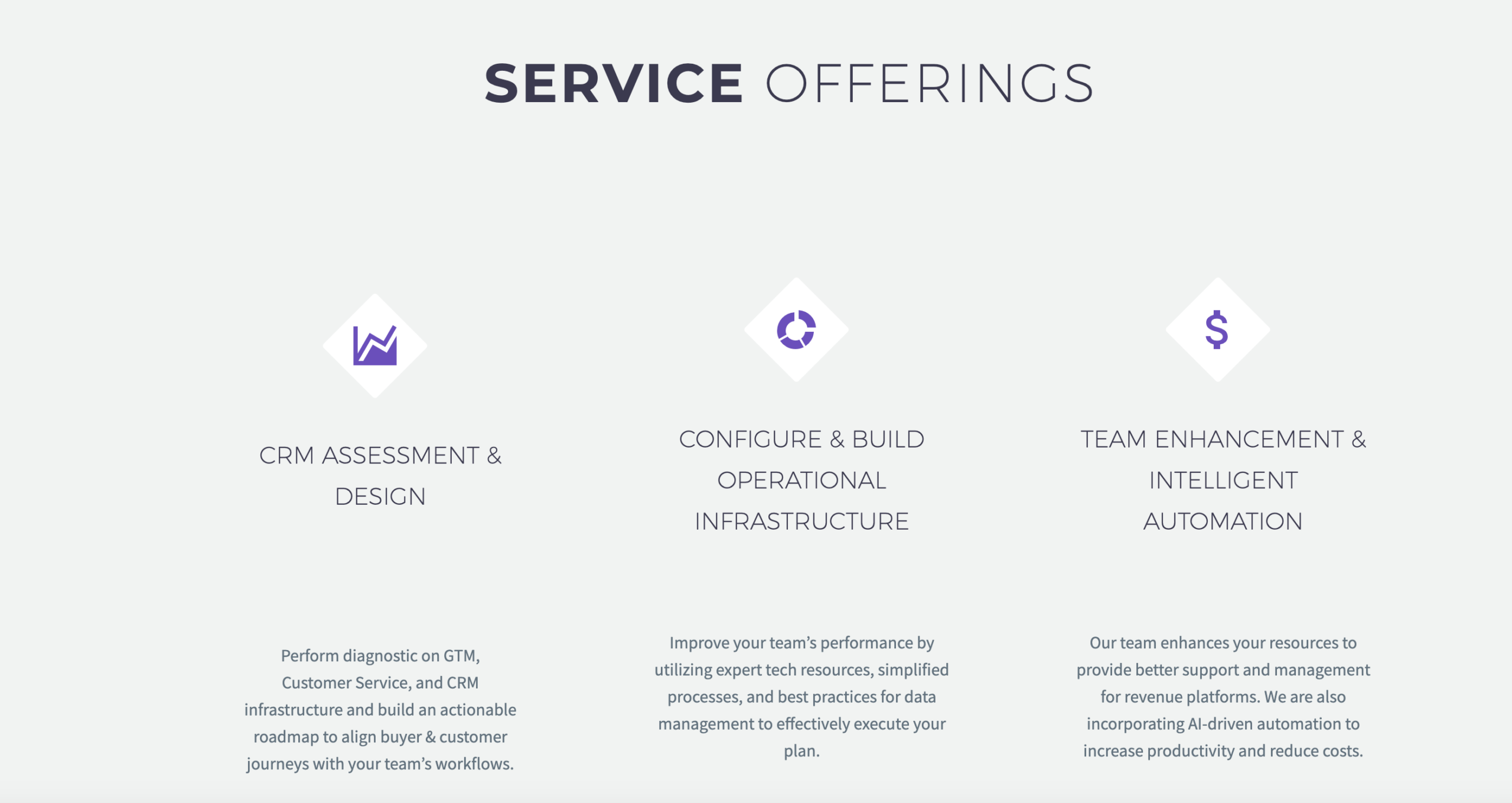
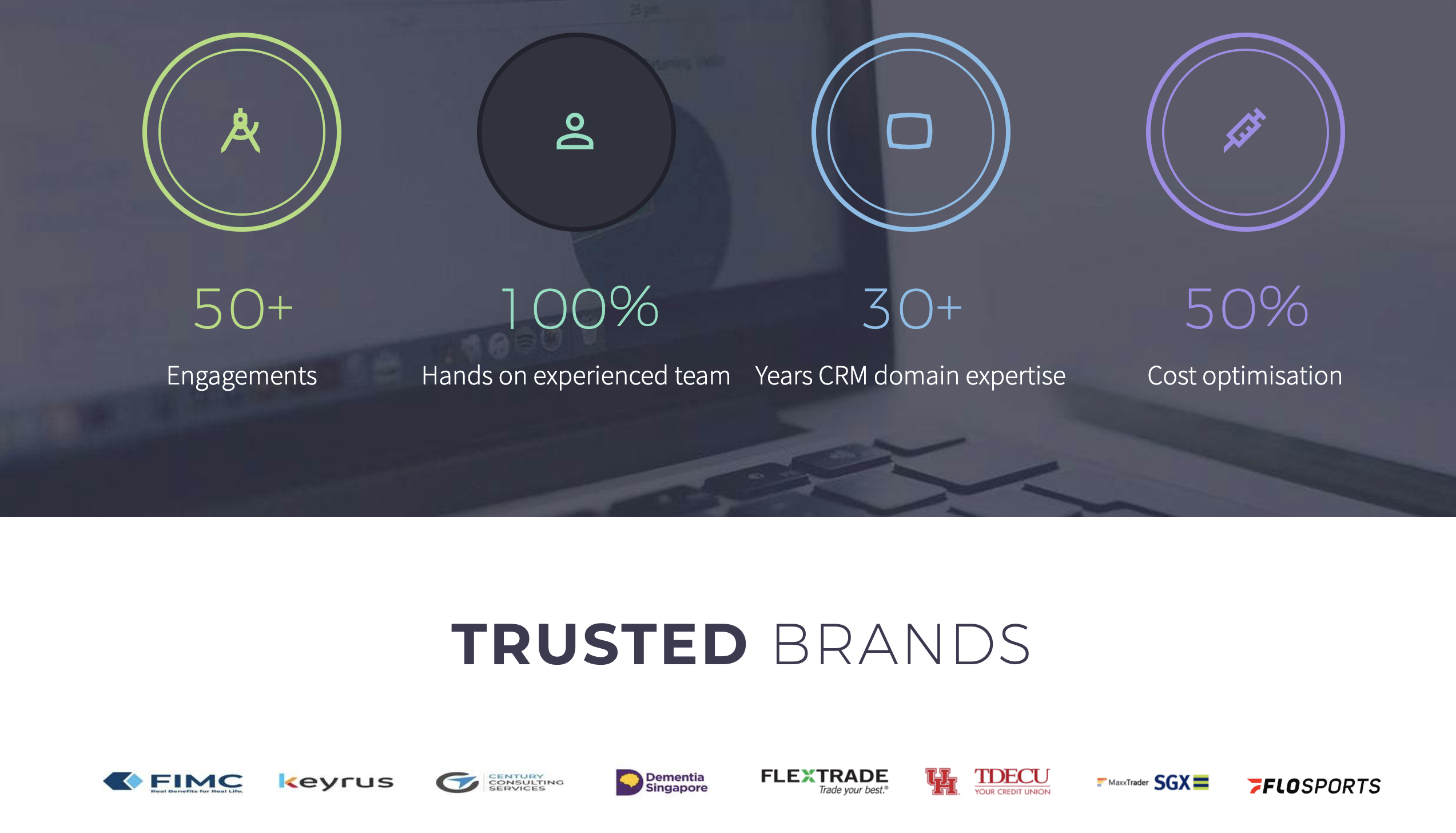
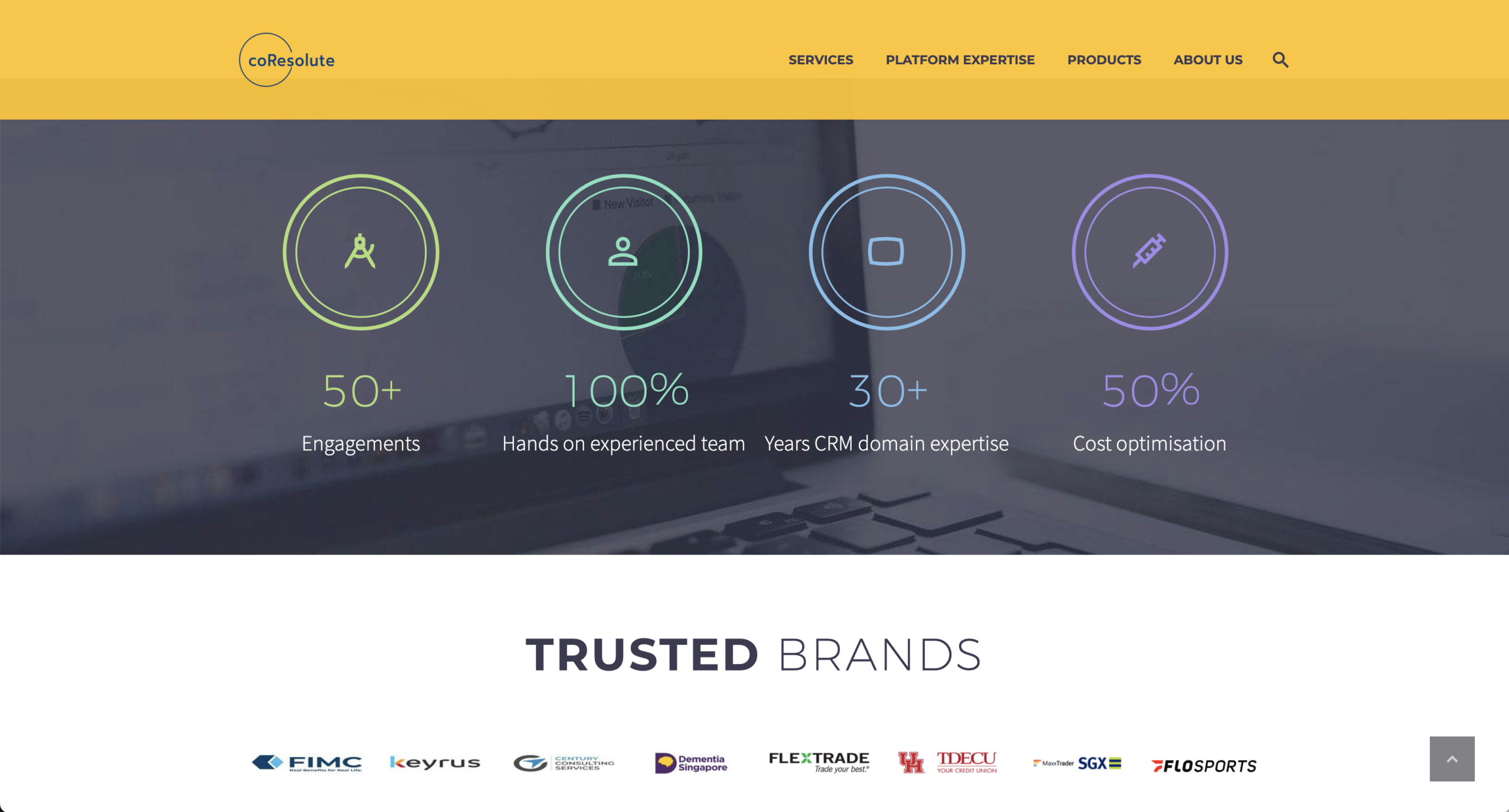
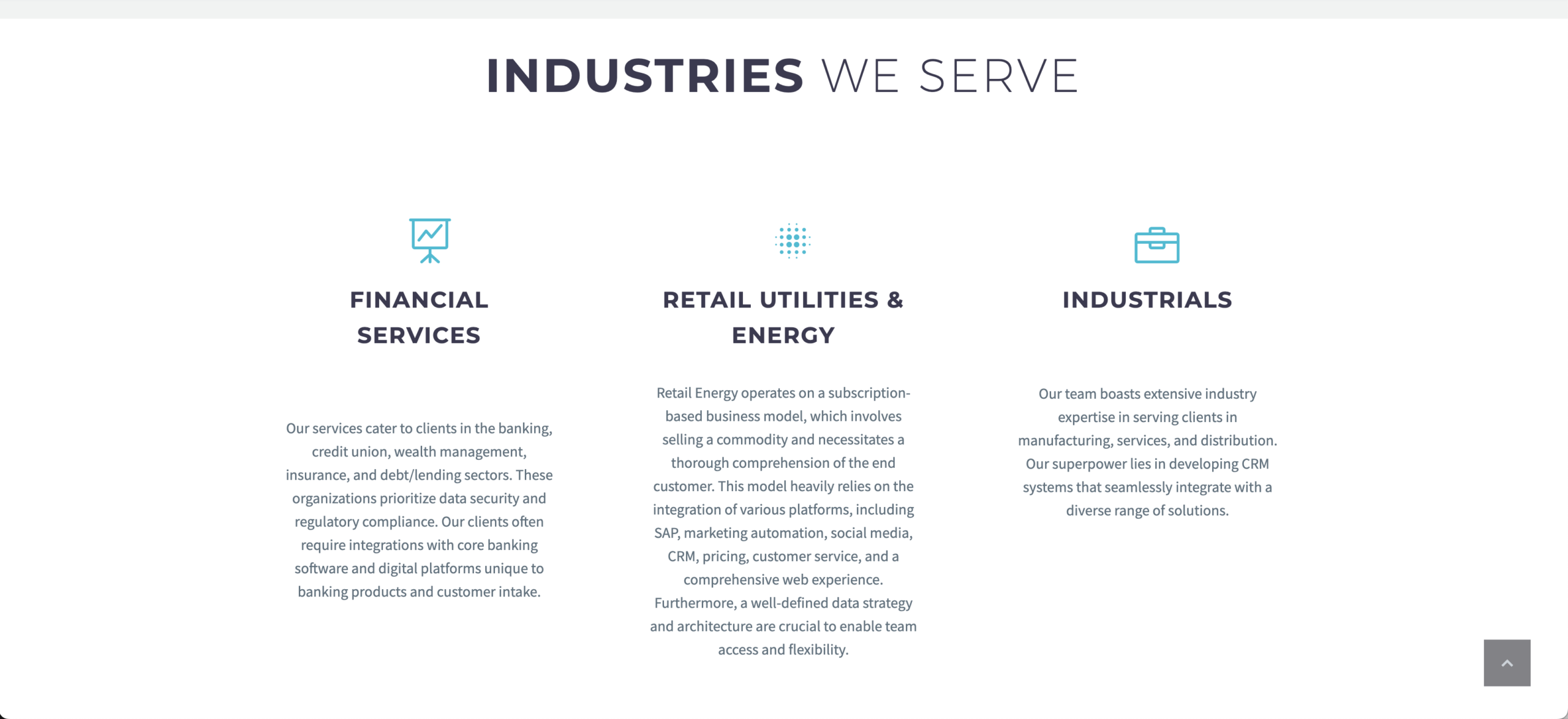
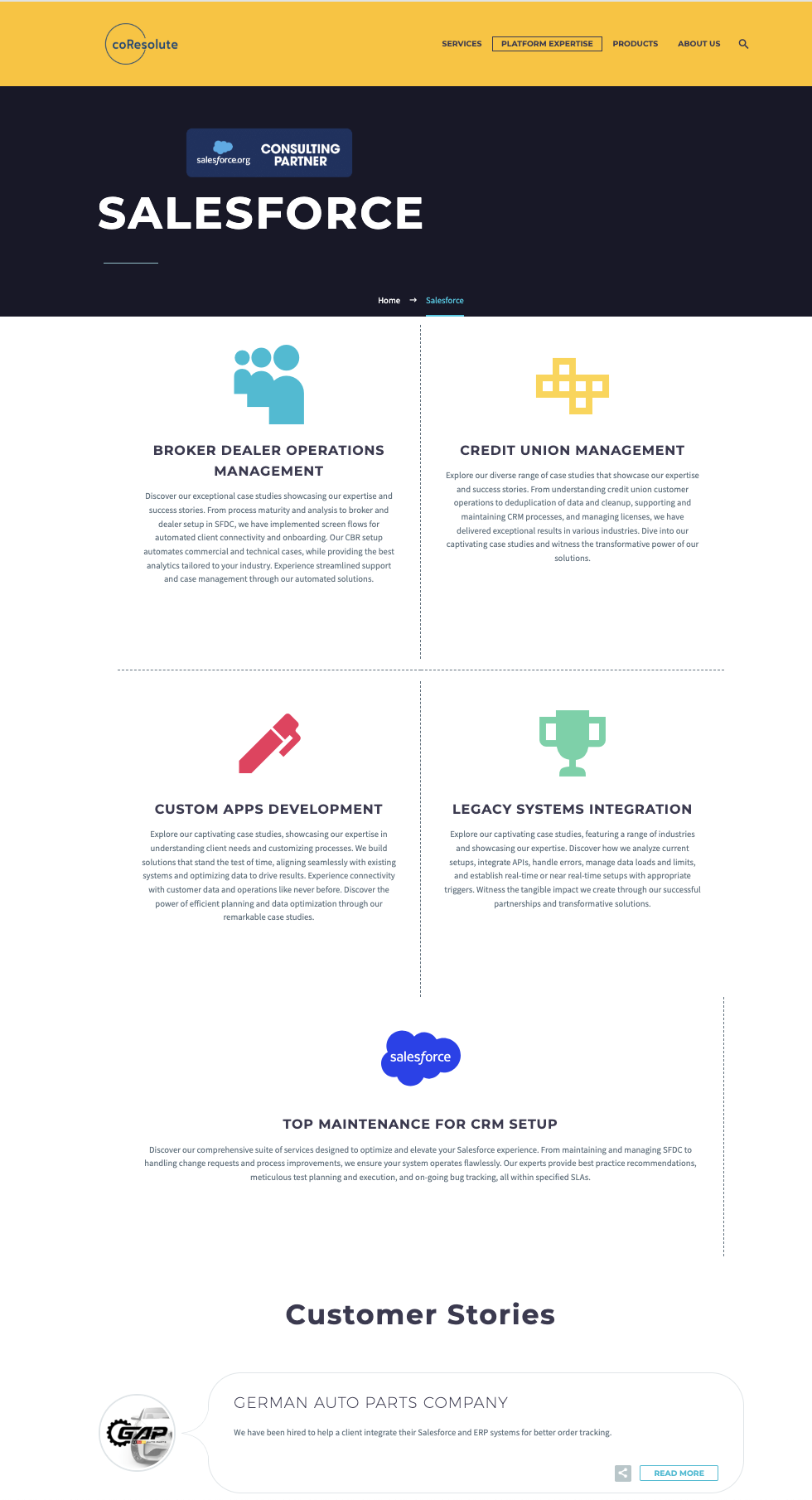
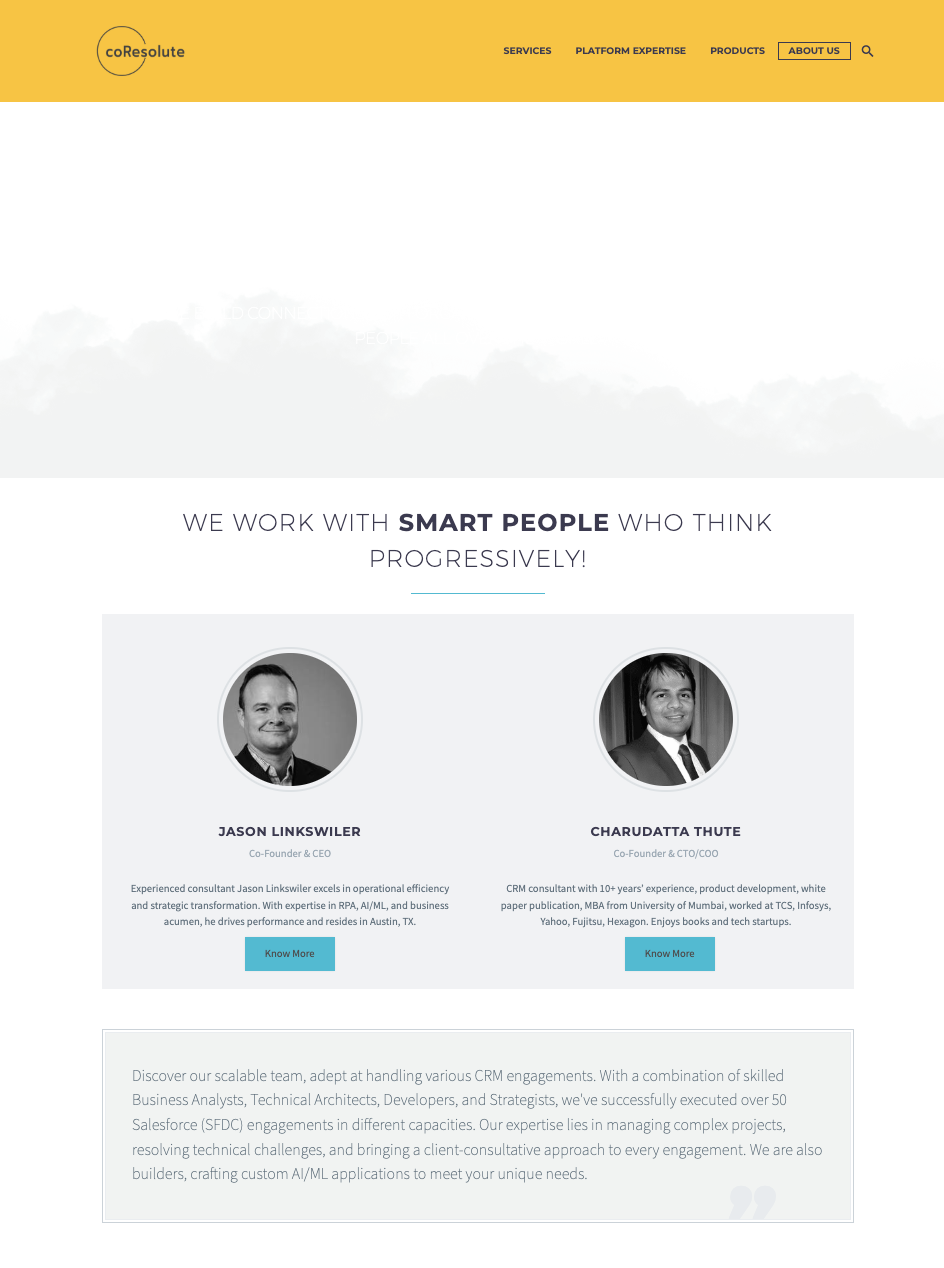
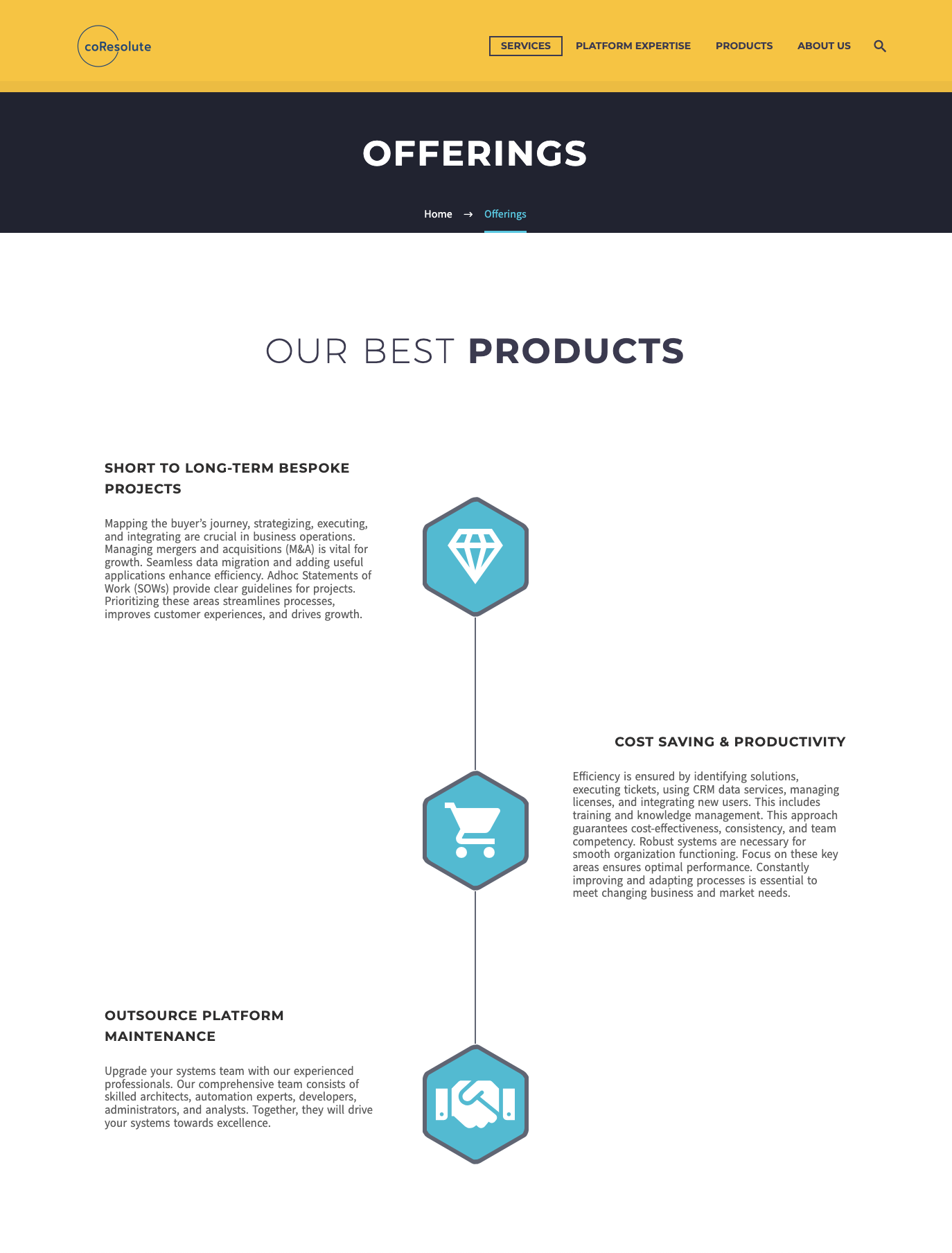
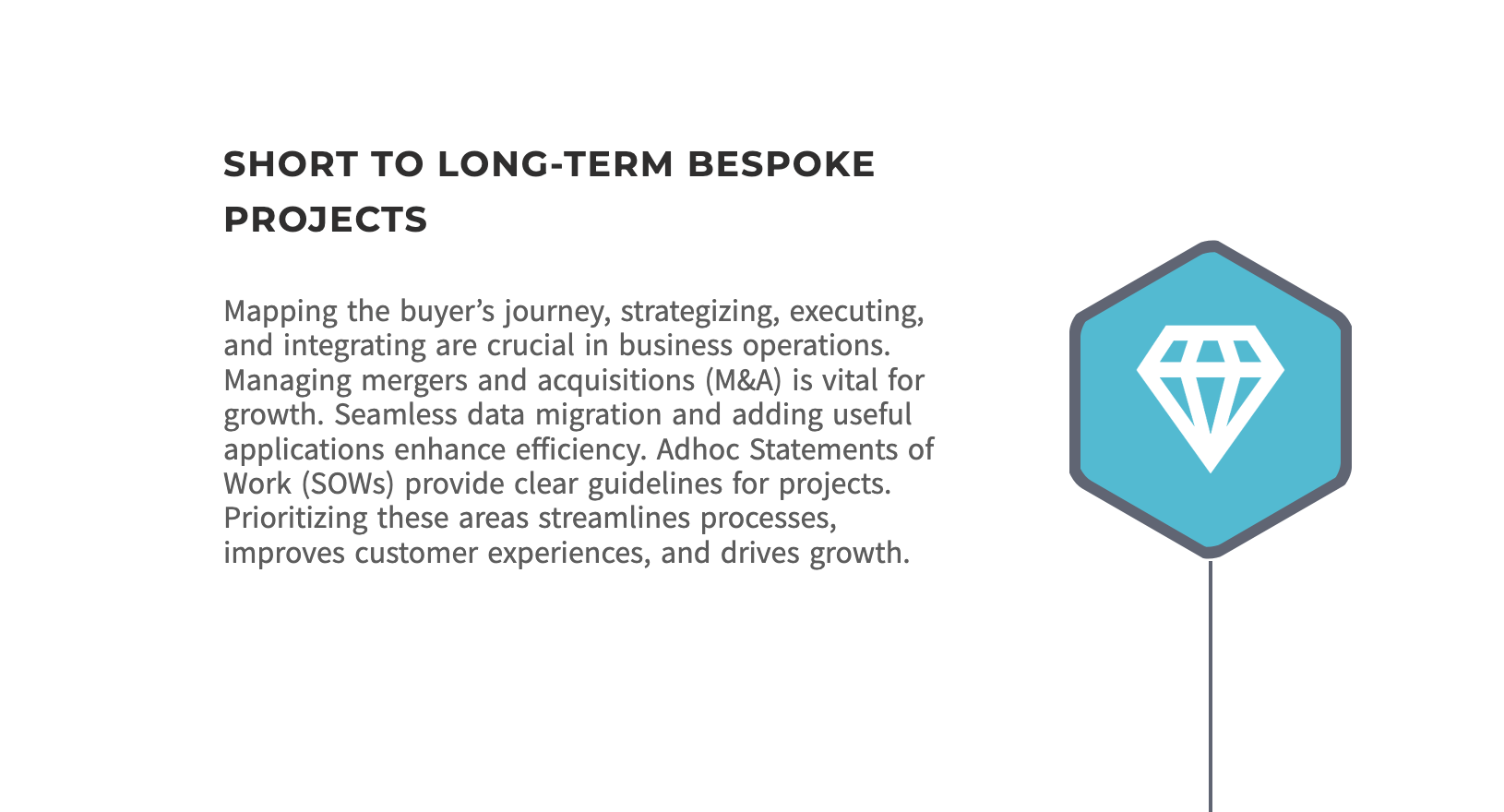
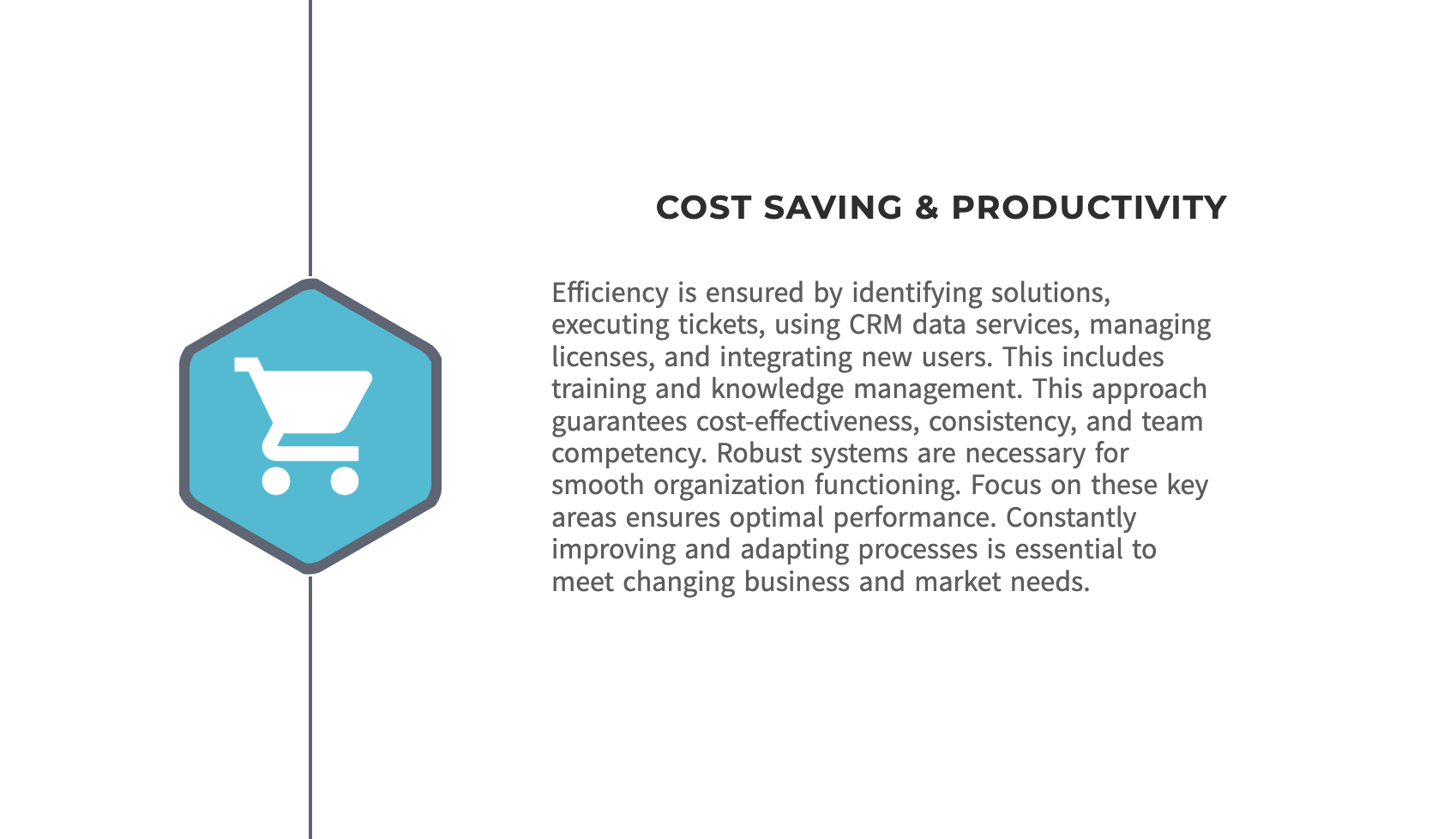
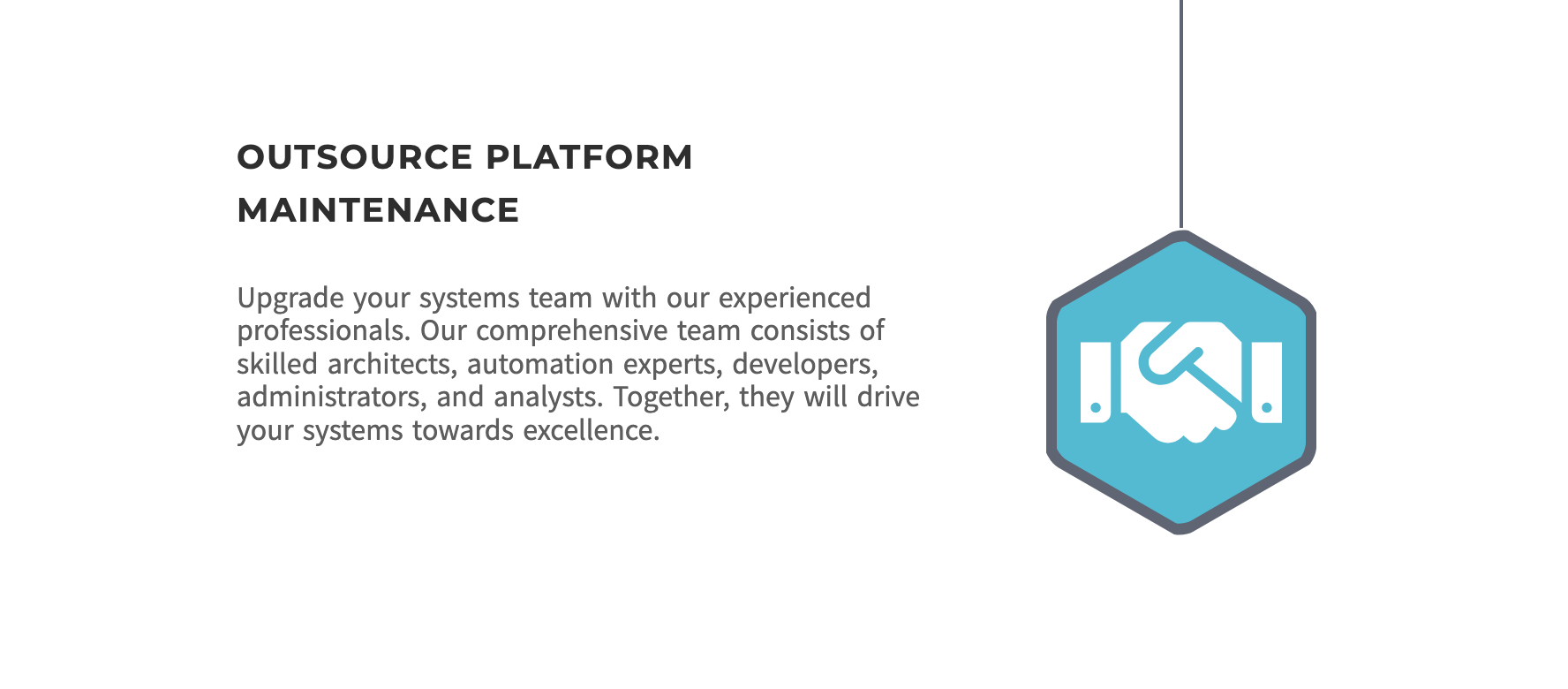
Some thoughts on coResolute’s initial branding and positioning. First, ‘best’ and ‘expert’ are claimed by everyone and thus are just noise for potential clients – it doesn’t help them see coResolute’s differentiated offer, nor does it help them understand what unique value coResolute brings to the table. Second, they describe capacity “CRM Implementation and Integration” which doesn’t create curiosity or intrigue and doesn’t target the real issues of their ideal customer. Third, the imagery used was A) similar to others in the industry and B) lacking a human or personal touch that coResolute was known for – creating a presence that was generic and undifferentiated.
A Gap Between the Existing Brand and the Actual Service
This wasn’t a website problem. It was an identity problem.
coResolute needed language, positioning, and a brand that could articulate who they actually were: the reliable partner who steps in when implementations go sideways, handles the hard technical work, and empowers clients to take ownership.
Jason’s own words captured it: “We’re the blue-collar AI folks backing up the thought leaders.”
The question became: Who is coResolute in the story their clients are living?
Start With What Works
Discovery & Strategy: We Start with Clients, Not Competitors
Before touching design tools or writing copy, I needed to understand what made coResolute's best client relationships work, and what held them back from landing more great-fit clients.
The Research
Client interviews:
Spoke with Ben Kittle (Century Consulting Services), Tyler Kimbro (SVT/Husqvarna), and Bret Cunningham (OSM Worldwide) to understand their experience working with coResolute—what they valued, what frustrated them, and how they described the relationship to others.
Stakeholder sessions:
Multiple conversations with Jason to map his vision, understand the competitive landscape, and identify the clients he wanted to attract versus the ones he wanted to avoid.
Competitive analysis:
Reviewed positioning and messaging from pure offshore shops, boutique US consultancies, and larger implementation partners to find white space.
Competitive Analysis
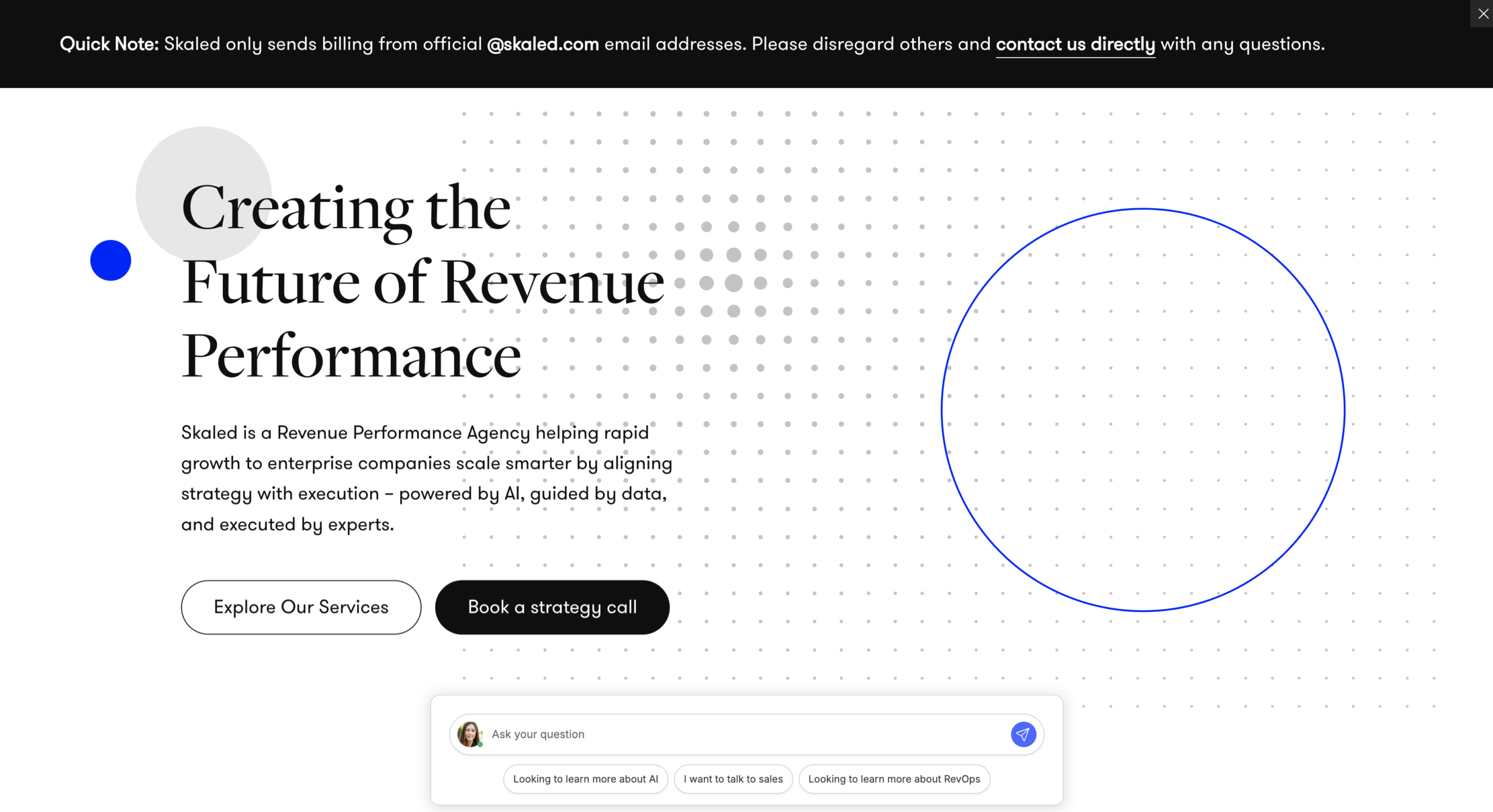
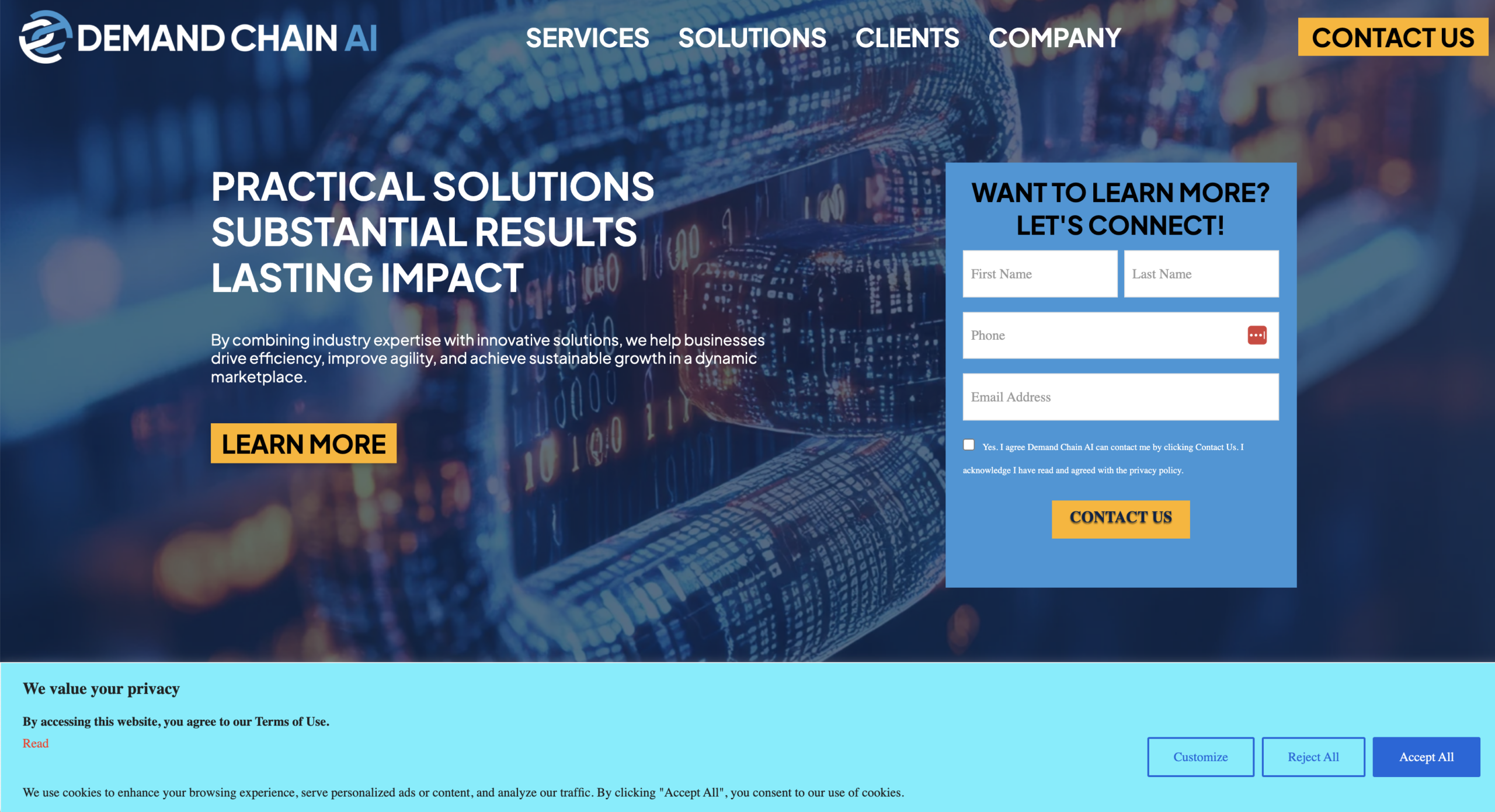
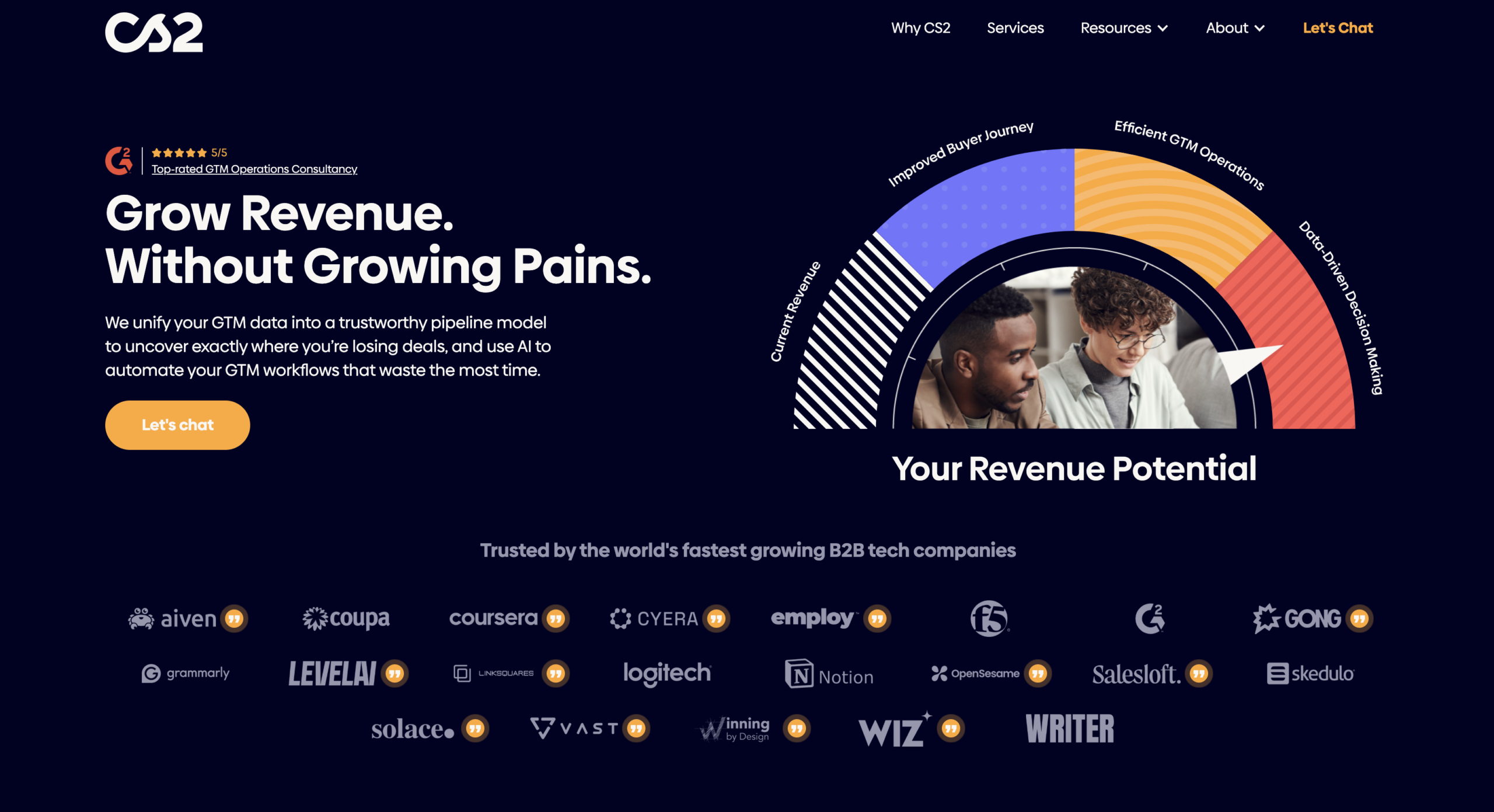
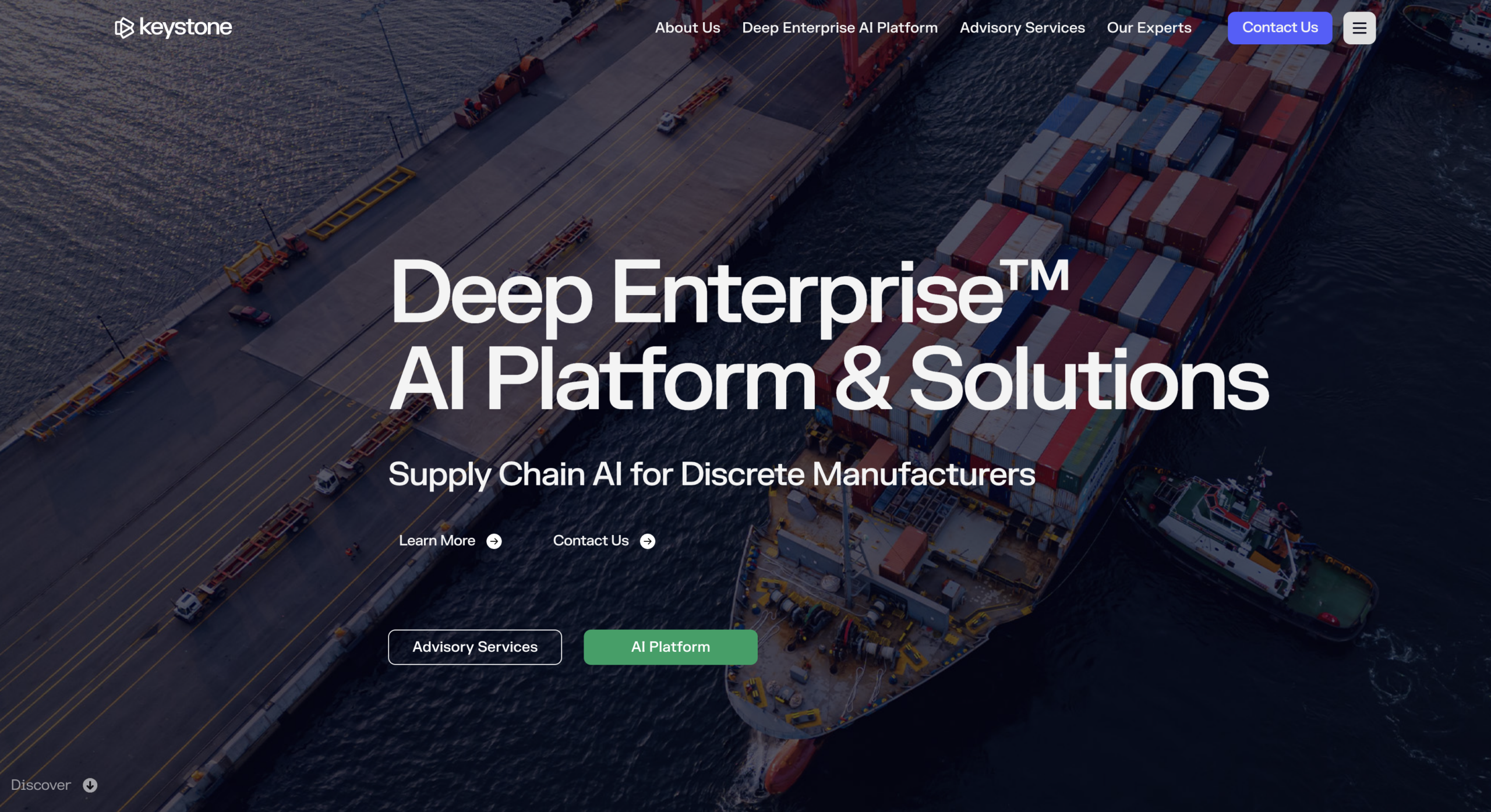
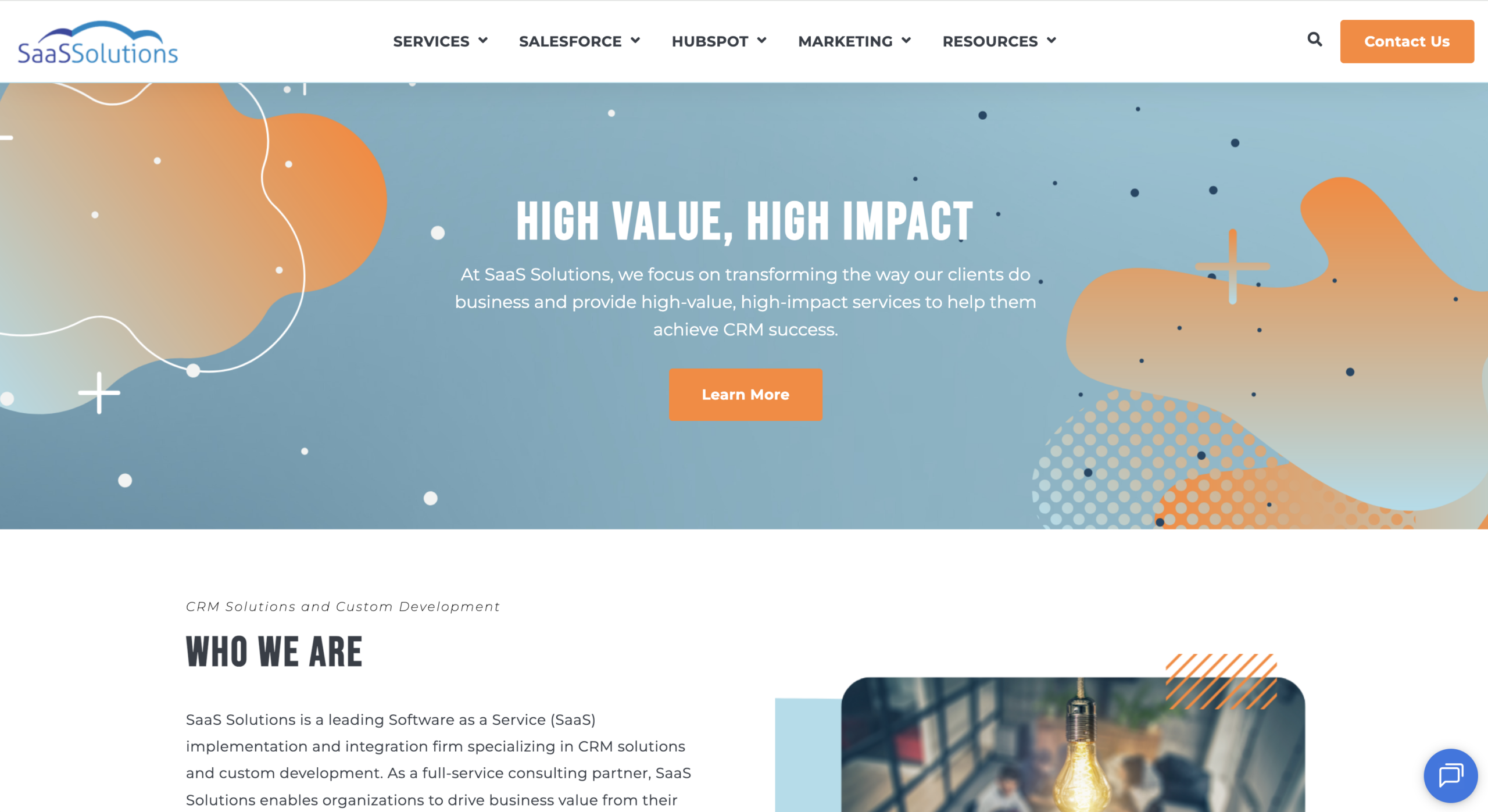
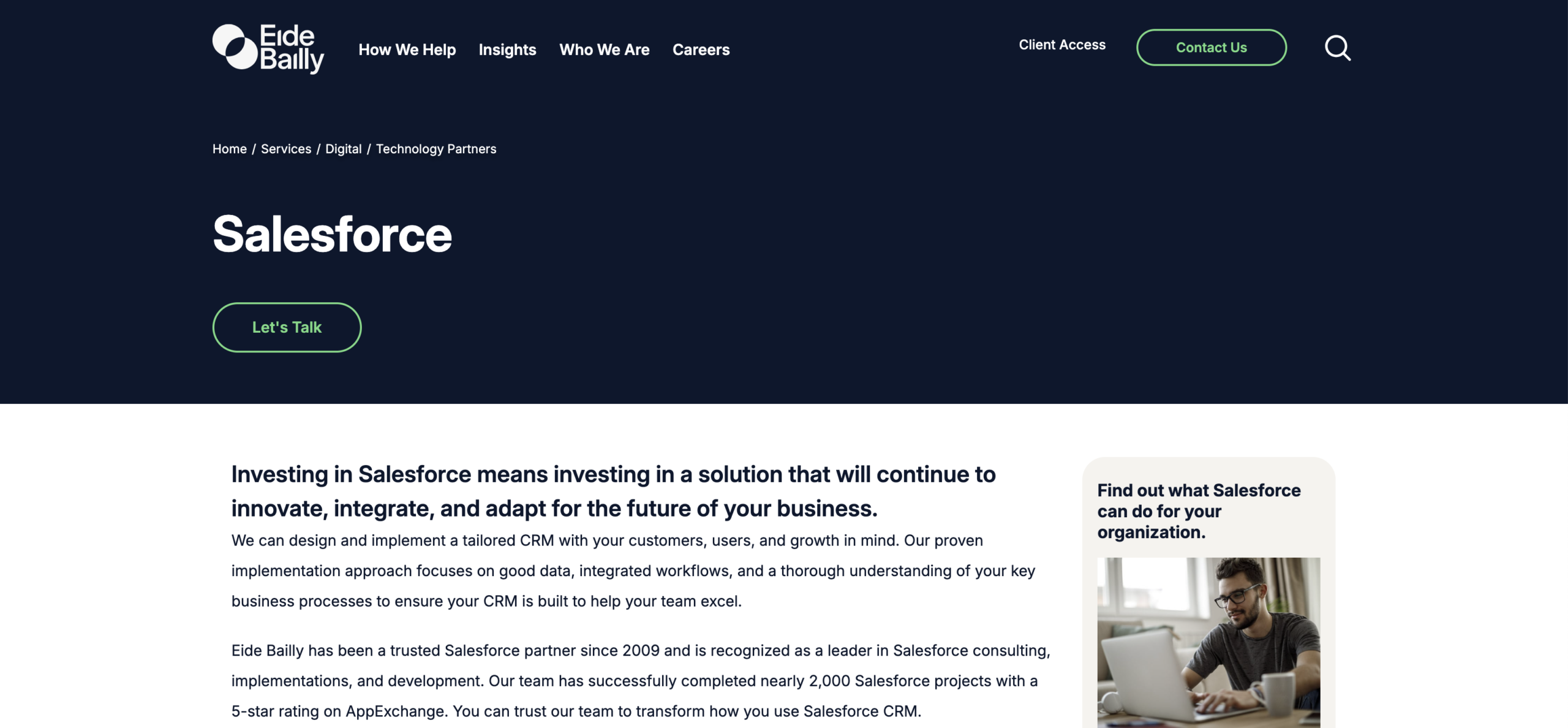
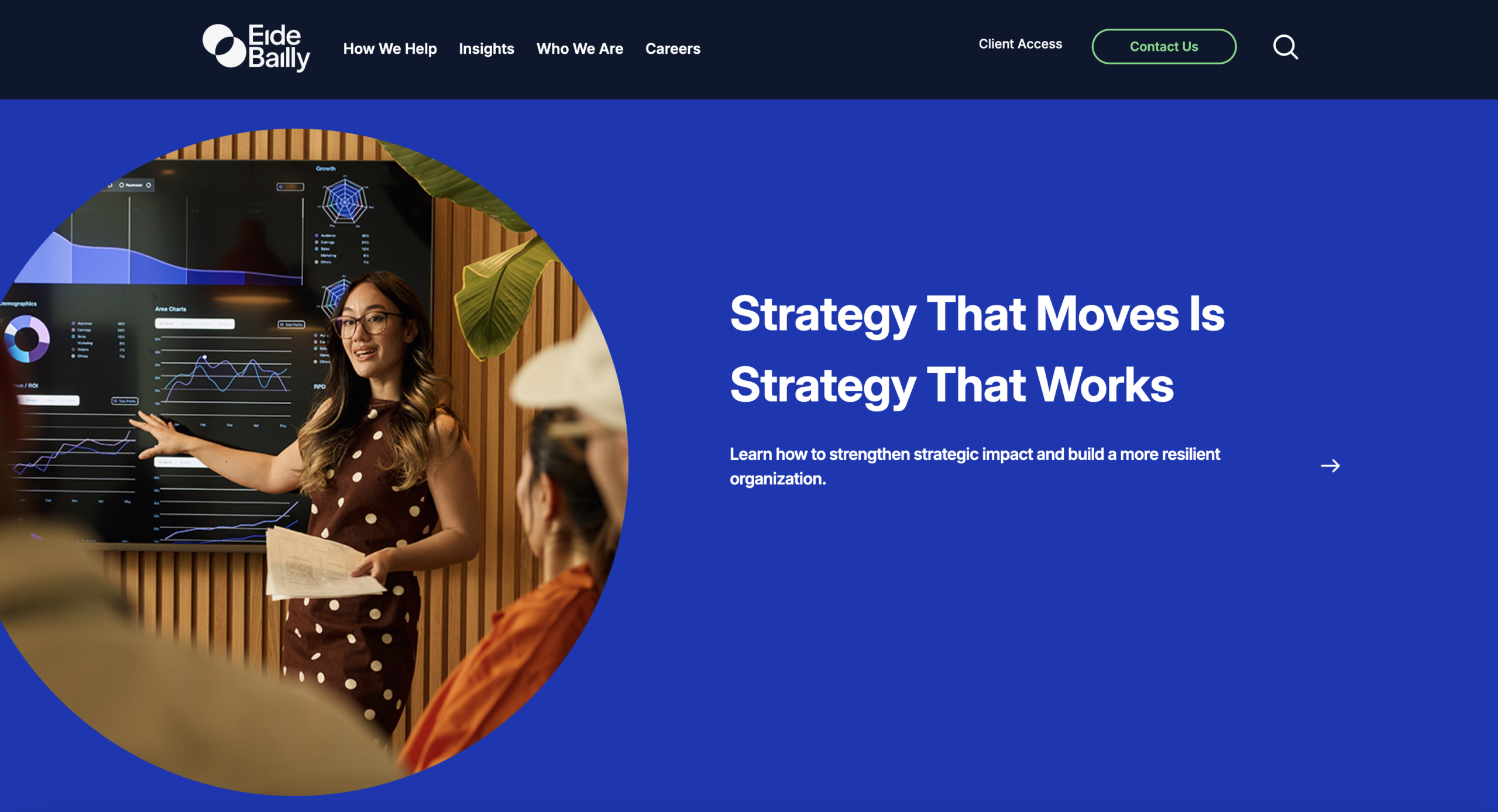
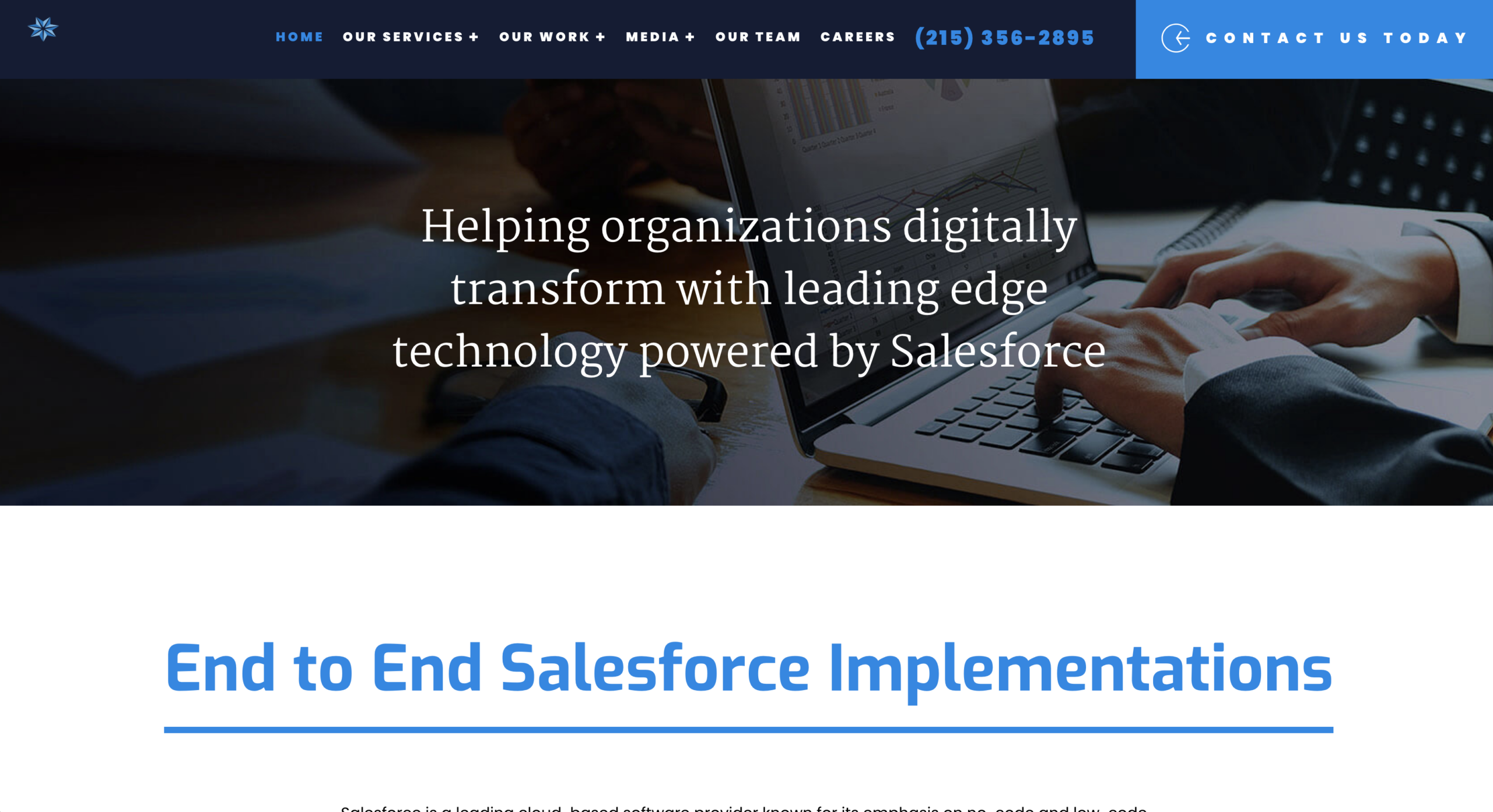

After looking at positioning, branding and copy from competitor’s websites, we could determine areas of whitespace that were available for coResolute to inhabit. First, companies tended to describe capacity rather than speak directly to the pain experienced by companies. Second, few brands used pictures of the founders or team, and images of humans tended to be stock, which creates a generic and forgettable impression. Third, brands positioned themselves as the hero. ‘Creating the Future of Revenue Performance.’ ‘Deep Enterprise AI Platform & Solutions”. Heroic positioning should belong to the client, the customer, your end user.
Companies like coResolute are a type of guide to help the hero through a difficult part of the adventure.
What We Learned
The interviews revealed a consistent pattern: coResolute's differentiators weren't about what they built—they were about how they showed up.
From Ben (CCS):
After a nightmare $1.5M implementation with a big corporate firm, Ben valued Jason’s presence (“comforting that Jason was in Austin”), professional handling of difficult conversations, and the fact that Jason waived final billing when work wasn’t needed. “Isn’t that what you want from every partner?”
From Tyler (SVT):
The best vendors “act in your stead”—they understand business context, don’t chase shiny objects, and “straddle the line” between being collaborative and pushing back. Jason earned trust by being flexible during the RFP process while other vendors defended their standard approaches.
From Bret (OSM):
Jason saw strategic gaps the client hadn’t articulated yet. He didn’t just execute—he “illuminated problems” and helped leaders connect marketing and sales systems. “He punches above his weight in his ability to see strategic opportunities.”
The Pattern: Sidekick, Not Hero
A theme emerged that became the foundation of everything: coResolute's clients were the heroes of their own stories. They didn't want a vendor who swooped in claiming to have all the answers. They wanted a capable, trustworthy partner who would stand beside them, absorb the hits, and help them succeed.
Strategic Decisions
From this research, we locked in three positioning pillars:
Cooperative + Resolute (the “co” duality): Emphasize listening and collaboration (“cooperative”) paired with unwavering delivery (“resolute”). This became the name’s meaning and the brand’s behavior.
Hybrid as advantage, not compromise: Position the onshore/offshore model as providing what clients actually need—US-based strategic leadership with the redundancy and speed of a distributed team.
Partner positioning over hero positioning: Own the “sidekick” role proudly. Use language that puts clients at the center of the story and positions coResolute as the capable ally, not the protagonist.
This wasn’t about being modest—it was about being differentiated. Every other consultancy was positioning as “the solution.” We’d position as “your partner in solving it.”
The archetype of the Sidekick, aka the Partner Behind the Partner, became our strategic anchor.
Building the Foundation
Brand Voice & Positioning - Strategy Into Language
With the "sidekick" positioning established, I needed to codify how coResolute would communicate—both to ensure consistency and to give Jason and his team a clear framework for all content, from proposals to conference talks.
The Brand Voice Framework
I developed comprehensive voice guidelines built around three core principles:
With the “sidekick” positioning established, I needed to codify how coResolute would communicate—both to ensure consistency and to give Jason and his team a clear framework for all content, from proposals to conference talks.
Listen Hard, Speak True
Short sentences. Plain talk over jargon. Questions before declarations. Curiosity before certainty.
This wasn't about being casual—it was about being clear. Technical consultancies love to hide behind complexity. coResolute would earn trust by making hard things understandable.
| ❌ "We leverage synergistic methodologies to optimize your go-to-market tech stack" |
| ✅ "We fix broken CRMs and build revenue systems that actually work" |
Measured Confidence
Facts over flair. Proof over promises. No puffery, no hype.
The voice needed to project competence without arrogance—especially important given the offshore component, where clients might be looking for reasons to doubt.
| ❌ "We're the best Salesforce implementation partner in the industry" |
| ✅ "We've stabilized implementations for Century Consulting, SVT, and OSM. Here's how." |
Cooperative Positioning
Language that puts the client at the center. Active support, not passive execution.
Every sentence was tested against this question: Does this position the client as the hero, or are we making it about us?
| ❌ "We transform your revenue operations" |
| ✅ "We stand beside you to build the revenue engine your business needs" |
Identity Elements in the Written Word
Beyond voice principles, I established specific language frameworks:
Signature phrases:
- “Proud to be the best footnote in your story”
- “We’re problem solvers, not software sellers”
- “The guy behind the guy”
Forbidden language:
- No “transformation” language (too hero-y)
- No “leverage,” “synergy,” “paradigm” (jargon that signals consultant-speak)
- No “we’re different” claims without proof
Structural patterns:
- Short sentences (mostly under 14 words)
- Dual-perspective framing: “speed & stability,” “process & people,” “discovery & delivery”
- Active verbs that imply support: “step in,” “stand beside,” “absorb the hit”
The Brand Book
Beyond voice principles, I established specific language frameworks:
All of this was documented in a comprehensive brand guide that included:
- Voice principles with good/bad examples
- Sentence-level writing guidelines
- Positioning statements for different audiences
- Behavioral cues (how the brand “acts”)
- Forbidden patterns and why
The goal wasn’t to constrain Jason—it was to give him confidence. Whether writing a proposal, speaking at Pavilion CRO Summit, or posting on LinkedIn, he’d have clear language to reach for that felt authentically coResolute.
Testing the Voice
Before moving to visual design, we applied the voice framework to key website sections and service descriptions. Did “CRM Check-ups and Management” feel more like coResolute than “Revenue Operations Audit”? Did “Right-Handed” capture the sidekick position better than “Strategic Partner”?
The voice became the filter for every creative decision that followed.
Moving into execution
Visual Identity & Design System: Expressing the Strategy Visually
The brand positioning—cooperative yet resolute, sidekick not hero, hybrid as strength—needed to translate into a visual system that felt professional, trustworthy, and distinct without being loud.
Logo & Mark
Before touching design tools or writing copy, I needed to understand what made coResolute's best client relationships work—and what held them back from more of them.
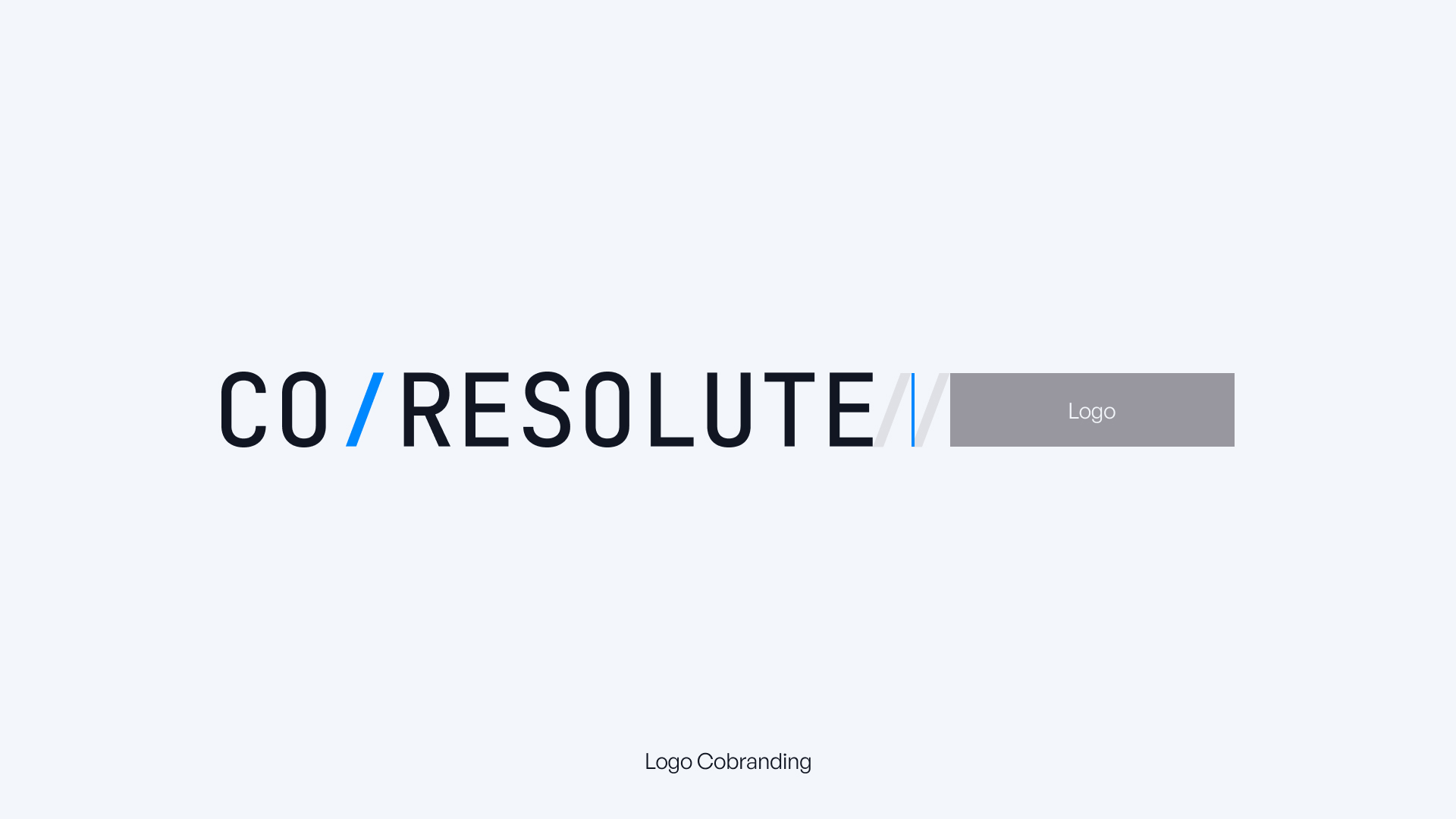
The coResolute name already contained the strategic duality we needed: “co” (cooperative, collaborative) and “resolute” (determined, unwavering).
The logo system emphasized this through:
- Typographic treatment that gave visual weight to both elements
- Graphical mark suggesting partnership, connection, and the combined nature of their work
- Lockup variations for different applications (full logo, abbreviated mark, vertical/horizontal)
The visual language avoided the typical consulting clichés—no upward arrows, no “digital transformation” gradients, no abstract corporate shapes that could mean anything.
The Color System
Before touching design tools or writing copy, I needed to understand what made coResolute's best client relationships work—and what held them back from more of them.
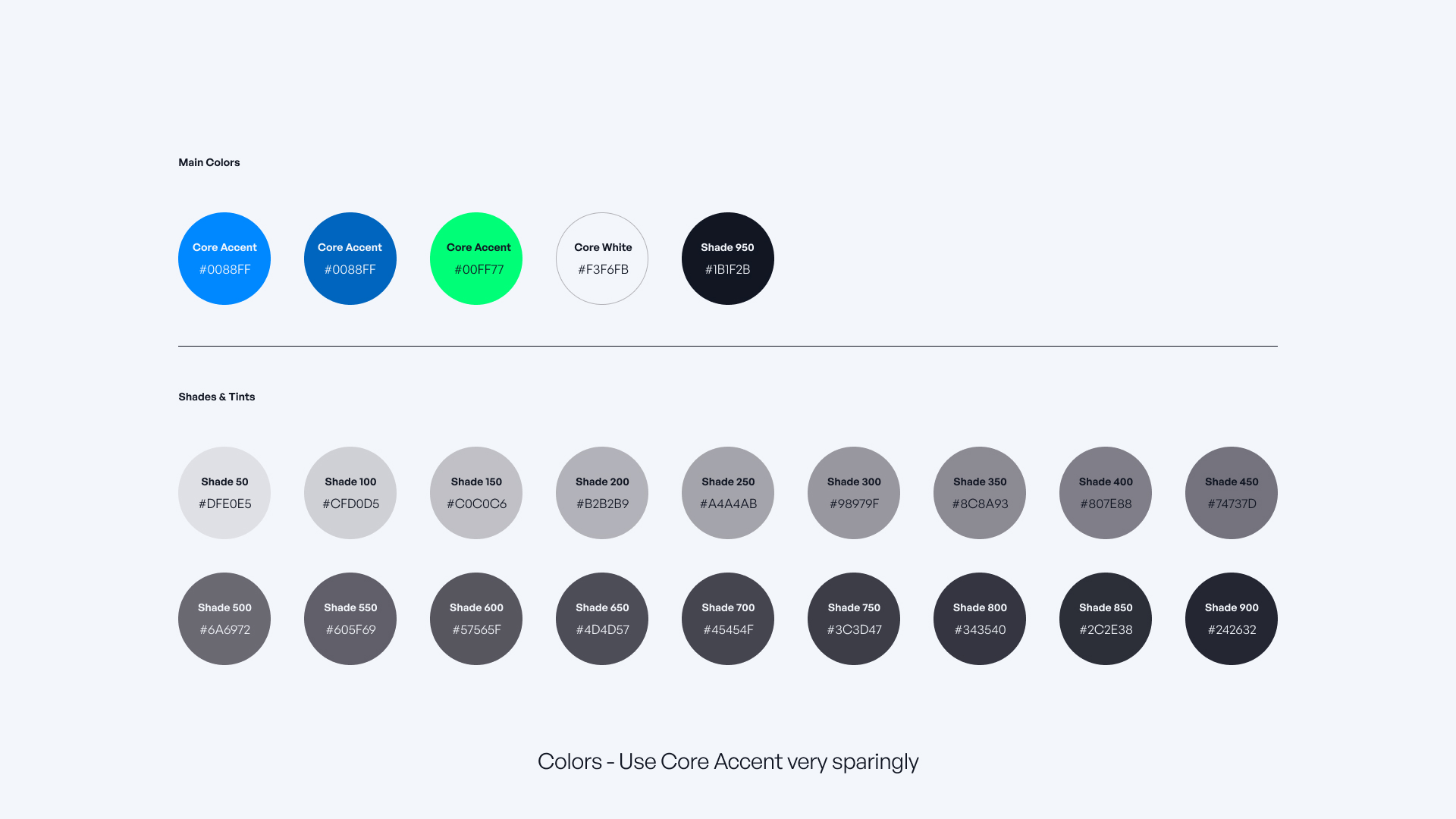
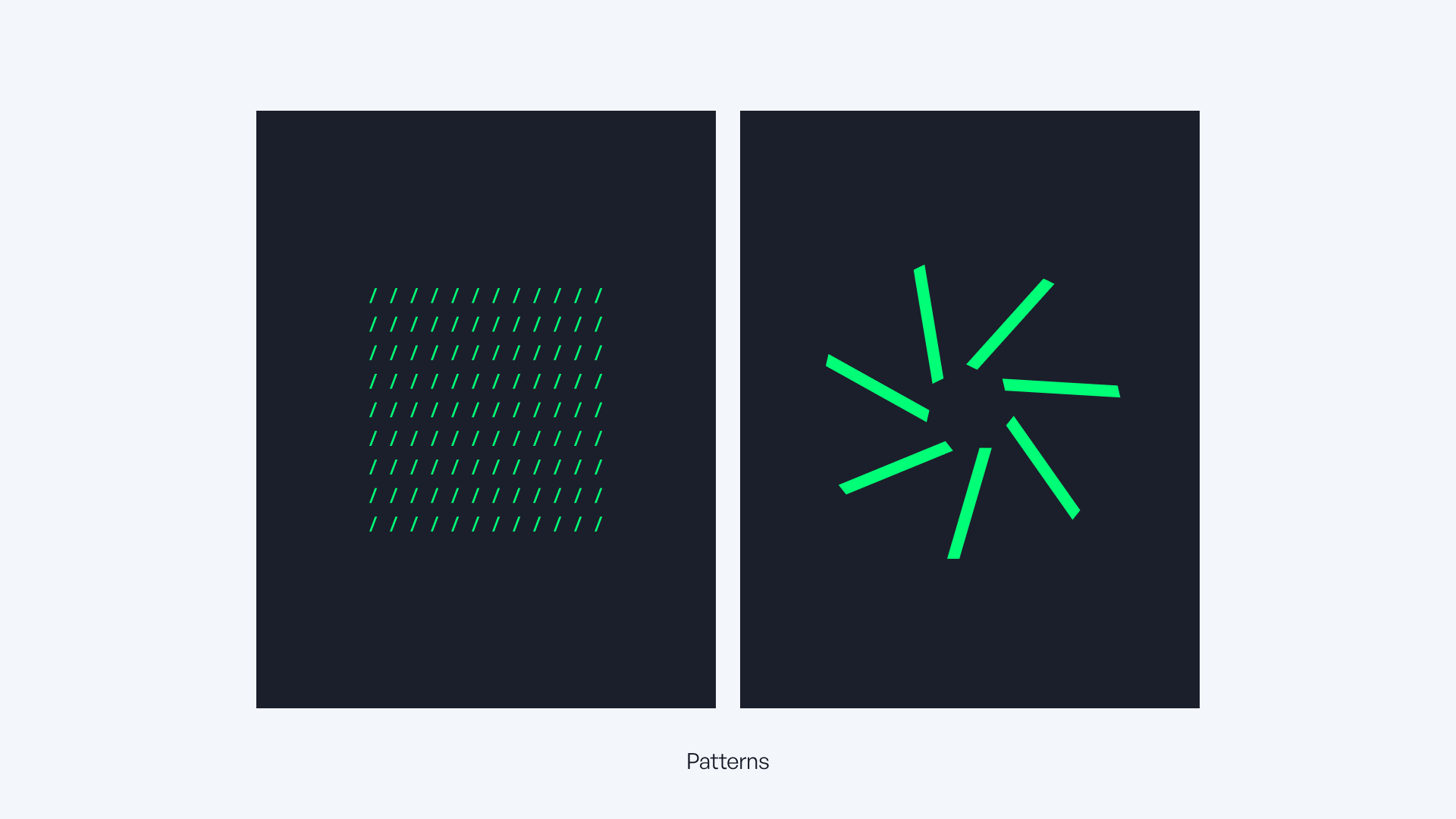
Primary palette:
- Deep blue — trust, technical competence, stability
- Warm yellow — energy, optimism, the “spark” in their tagline
- Neutral grays — professional, unobtrusive background
The palette signaled capability without being cold. The yellow provided just enough warmth to differentiate from the sea of blue-and-gray tech consultancies while staying grounded and professional.
Typography
Before touching design tools or writing copy, I needed to understand what made coResolute's best client relationships work—and what held them back from more of them.
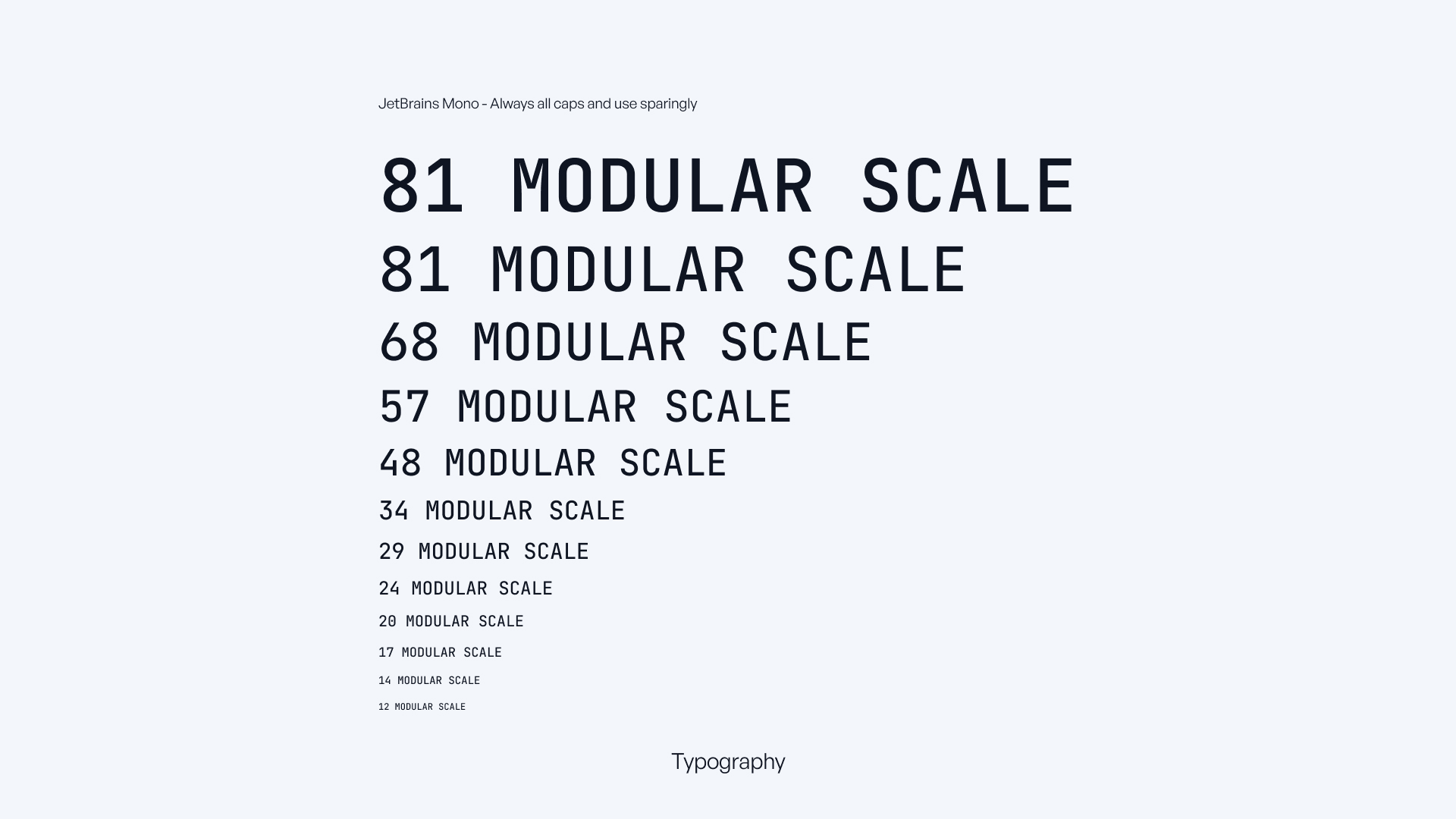
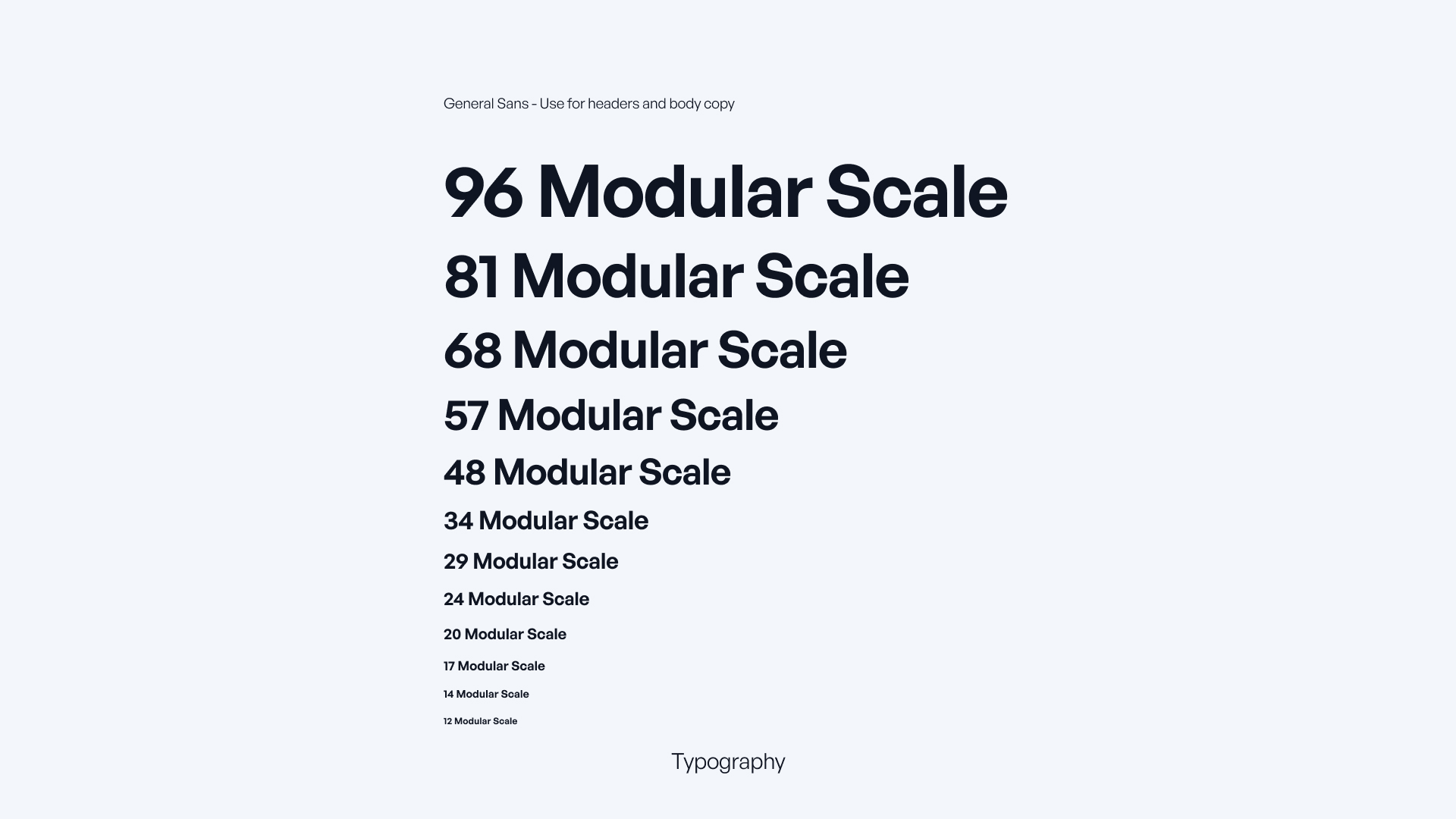
- Headlines: Strong, confident sans-serif that could carry short, punchy brand statements
- Body copy: Highly readable typeface optimized for the short sentences and plain talk the voice demanded
- Technical contexts: Monospace option for code samples and technical documentation
Brand Applications
Before touching design tools or writing copy, I needed to understand what made coResolute's best client relationships work—and what held them back from more of them.
The visual system was designed to work across:
- Website and digital marketing
- Proposal templates and client deliverables
- Conference presentations
- LinkedIn and social presence
- Email signatures and business cards
Design Principles
The visual system followed three core principles:
1. Clarity over cleverness
Every design decision prioritized legibility and comprehension. No visual tricks that got in the way of communication.
2. Professional but approachable
The brand needed to work in enterprise contexts (presenting to Fortune 500 clients) while still feeling human and collaborative.
3. System, not decoration
Every element—color, typography, spacing—had a functional role. The design system was a tool for communication, not ornamentation.
Worth 1,000,000 Words
Video Gives Clients a Clear Feeling for Who They'll be Working With
Most consulting websites lead with stock photography on their website's home pages. This looks like clearly generic teams in conference rooms, handshakes, laptops with charts. For coResolute, that approach would undermine everything the brand already stood for.
Authentic Images, Especially Video, Created Trust and Presence
We needed visuals that reinforced the sidekick positioning and made the hybrid model feel real.
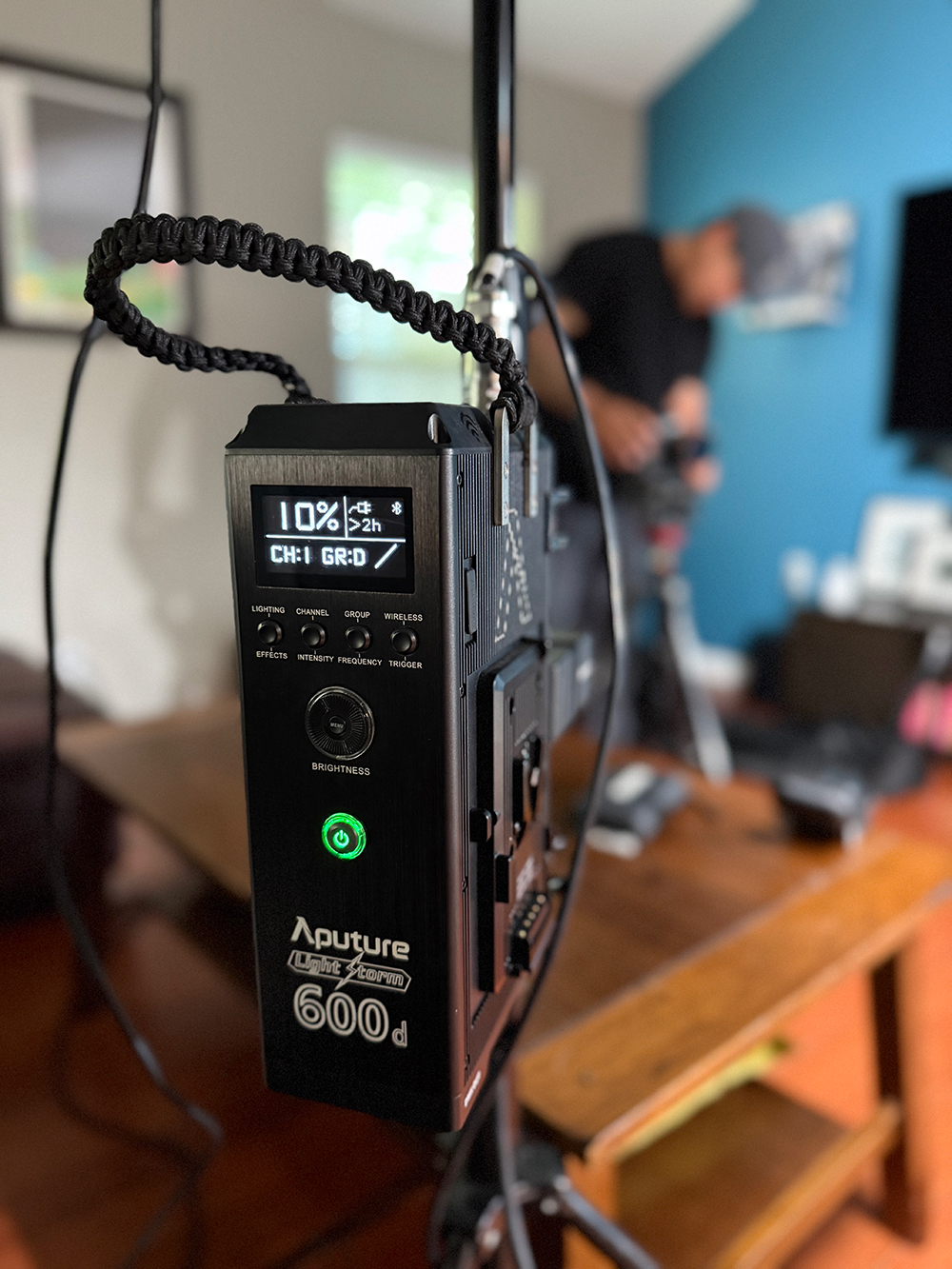
Professional photography of Jason and key team members provided faces to the "onshore presence" promise. Short, unscripted videos let prospects hear directly from Jason about how the model works, what to expect from offshore collaboration, and how he handles difficult conversations. The videos weren't highly polished, but they were genuine, which built credibility. If the brand voice was "plain talk over jargon," the visuals had to be "real people over stock imagery."
Why We Filmed at Home
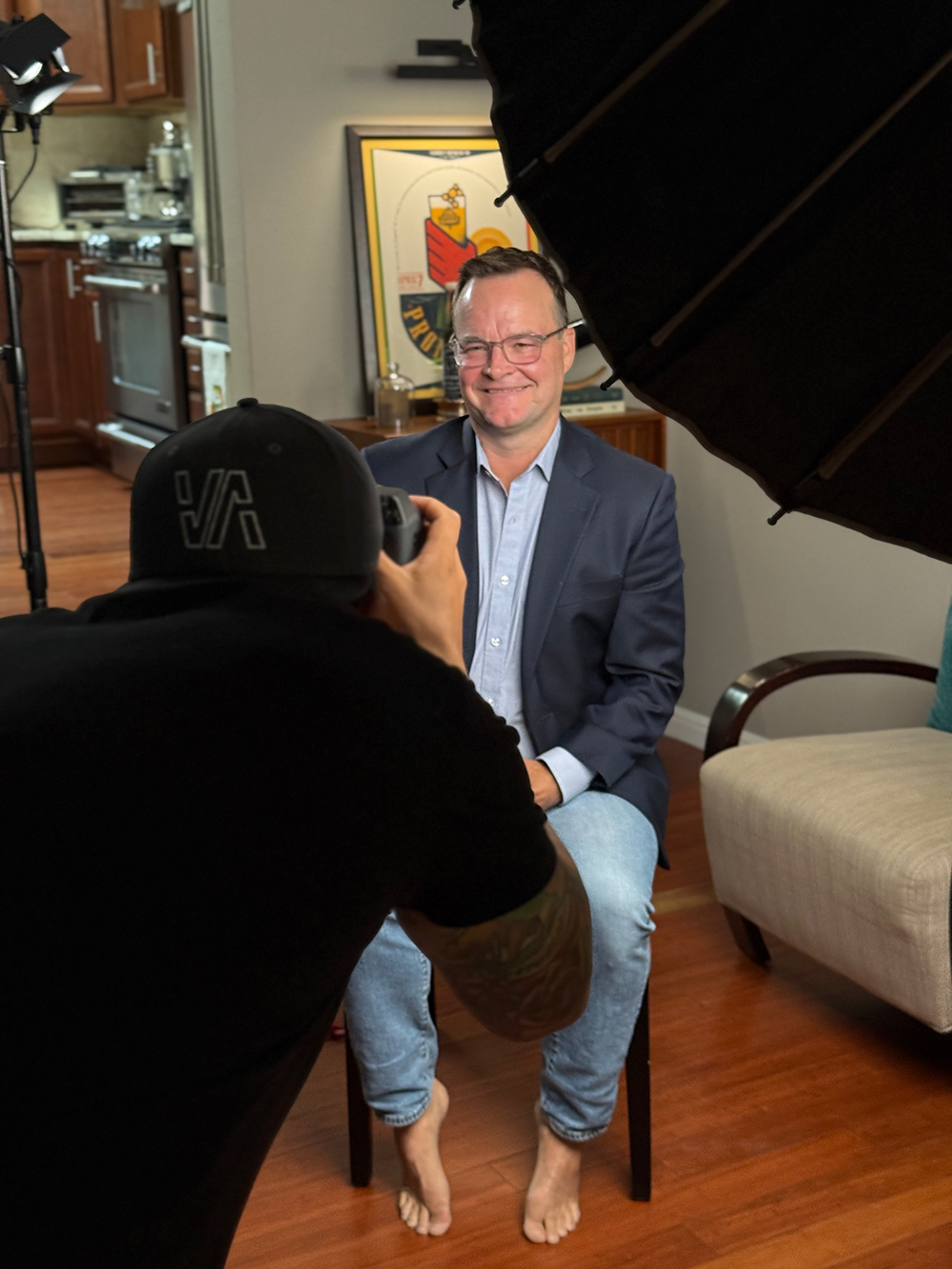
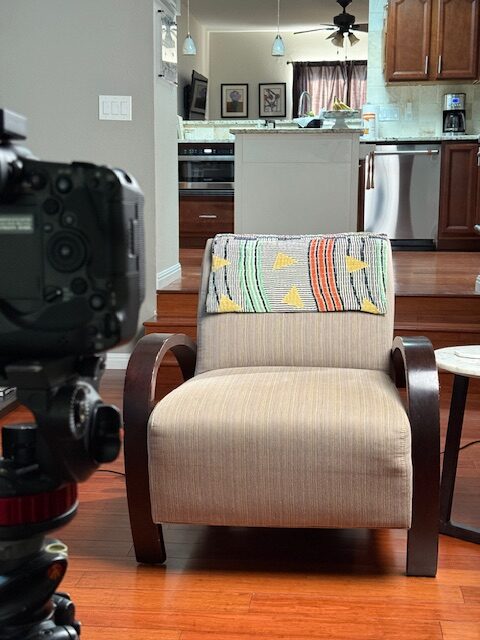
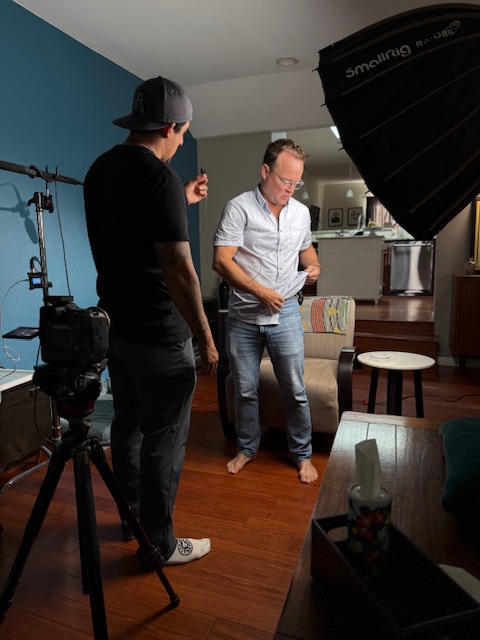
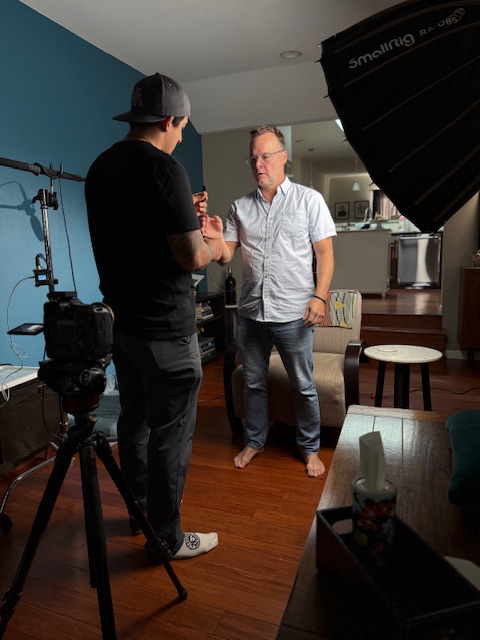
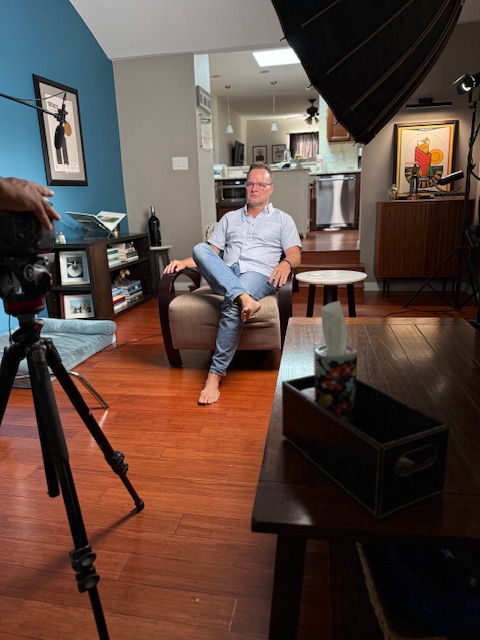
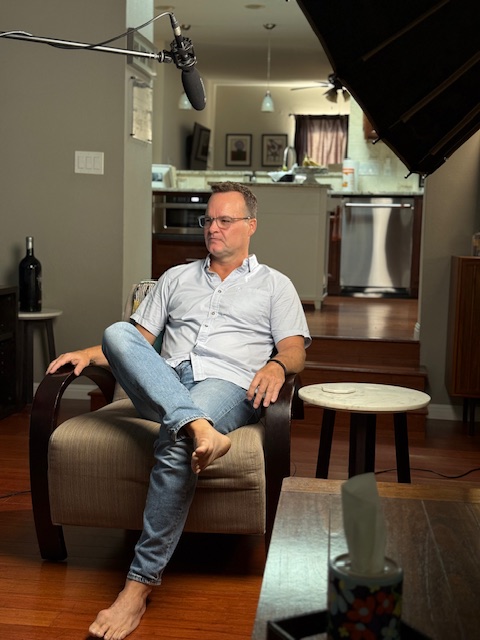
The video shoot happened in Jason’s living room—Wilco posters on the wall behind him, no shoes, no corporate staging. This wasn’t a budget decision; it was a brand decision. Jason needed to feel comfortable enough to be genuine on camera, and prospects needed to see the person they’d actually be working with, not a polished spokesperson. The casual setting created an approachable energy that came through in every video. When Jason talked about handling difficult client conversations or explaining offshore team dynamics, it felt like a real conversation, not a sales pitch. The environment shaped the tone, and the tone built trust.
The Homepage: Establishing the Sidekick Position
The hero section immediately signaled differentiation:
Headline: “Proud to be the best footnote in your story.”
This wasn’t modesty—it was strategic positioning. While competitors claimed “We transform your business,” coResolute owned the supporting role. The copy reinforced it: “We’re problem solvers, not software sellers. We find solutions, not band-aids.”
p: Three service tiers were presented clearly: diagnostic services (free and paid), project work, and ongoing partnerships. No mystery packages, no “contact us for pricing.”
Into a True Resource
Website Design & Build
The website needed to do three jobs: attract the right clients, repel the wrong ones, and give Jason confidence when sharing it at conferences. Everything—information architecture, copywriting, visual design—flowed from the positioning work.
Information Architecture
Rather than the standard “Services / About / Contact” structure most consultancies use, I organized the site around the questions prospects actually ask:
- What do you do? (Offers page with clear service tiers)
- Who have you worked with? (Case studies, not just logos)
- Why should we trust you? (Positioning and differentiation, not just credentials)
- How much does this cost? (Transparent pricing page—rare in consulting)
The navigation prioritized clarity over comprehensiveness. Every page had a single job.
The Homepage: Establishing the Sidekick Position
The hero section immediately signaled differentiation:
Headline: “Proud to be the best footnote in your story.”
This wasn’t modesty—it was strategic positioning. While competitors claimed “We transform your business,” coResolute owned the supporting role. The copy reinforced it: “We’re problem solvers, not software sellers. We find solutions, not band-aids.”
p: Three service tiers were presented clearly: diagnostic services (free and paid), project work, and ongoing partnerships. No mystery packages, no “contact us for pricing.”
Stop the Scroll With High-Stakes Problem Recognition
The homepage wasn’t designed for casual browsers—it was designed for operators in the middle of a problem. Everything, from structure to copy hierarchy, assumed a specific reader state: a mid-market executive dealing with a stalled implementation, a backlog that won’t clear, or vendor drama that’s consuming their time.
Most consulting homepages lead with capability statements (“We’re experts in…”). We led with crisis recognition. The structure mirrored the emotional journey prospects were already on: problem awareness → why this keeps happening → here’s a different approach → proof it works → multiple ways to engage.

Section 2: The Turn – Problem → Solution Pattern
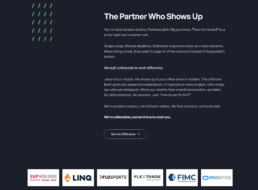
This section acknowledged what prospects were thinking: I’ve been burned before. We described the pattern (big promises, junior teams, payment ultimatums), explained why it happens (structural issues with offshore-only or big consultancies), then pivoted to coResolute’s three differentiators with proof. Client quote from Ben Kittle—”Isn’t that what you want from every partner?”—closed the emotional shift from skepticism to possibility.
Section 3: Three-Tier Service Model
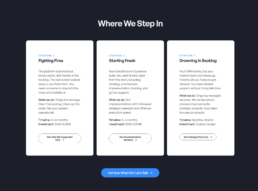
Most consulting sites hide pricing and process behind “contact us.” We made both visible. Three clear tiers: Diagnostic (free 2-week health check or paid deep-dive audit), Project Work (fixed-scope implementations or fixes), and Ongoing Partnership (managed services retainer). Each showed price ranges, timelines, and deliverables. Prospects could self-identify their need and know what to expect before the first call.
Section 4: Proof – Case Studies as Credibility
Three case study teasers with concrete metrics: 400 tickets cleared for Century Consulting, strategic transformation at OSM Worldwide, and greenfield setup for a Singapore nonprofit. Each included a client pull quote and linked to the full narrative. The goal wasn’t comprehensive—it was to answer “can they actually do this?” with specific evidence before prospects had to commit to a conversation.
Section 5: Why Hybrid Works – The Competitive Landscape
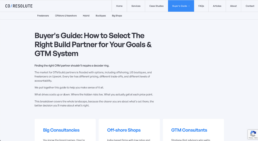
Rather than claim “we’re the best,” we mapped the options: Big 5 consultancies (when they work, when they’re overkill), offshore-only shops (speed and cost, but accountability gaps), boutique US firms (quality but expensive, limited scale), and coResolute’s hybrid model (US strategic leadership + offshore execution). We acknowledged tradeoffs honestly—time zones, language barriers—while showing why the structure solved problems other models couldn’t.
Section 6: Video Objection Handling
We created a series of short Loom videos where Jason directly addressed common prospect concerns: “How does the hybrid model actually work day-to-day?” “What happens if the offshore team doesn’t understand our business context?” “How involved will you be versus handing us off?” The videos accomplished what copy couldn’t—prospects could assess Jason’s communication style, see his transparency about challenges, and get comfortable before the first sales call. Personal, unscripted, building trust through directness.